Chat with us, powered by LiveChat
Menu Close

Tag: PrivateHealthInsurance

Why Family Health Is the Best Investment: A Guide to Private Health Insurance

For most mothers, the most valuable investment isn’t their savings. It is their family’s health. Between work, home, school, daily chores, and managing the household budget, many women step into the role of the informal health manager for the entire family. They are the ones who track vaccination schedules, book specialist appointments, organize routine checkups, remind their partners about doctor visits, and stand by their loved ones whenever health concerns arise. The paradox is that those who care so deeply for everyone else’s well-being often put their own needs on the back burner.

In a world of rising living costs, many families focus heavily on financial protection. Savings, investments, and securing a future for the children are vital. Yet, there is one resource that cannot be recovered like lost capital. That priceless asset is health.

Family Health Starts with a Single Decision

While health decisions in most households are made jointly, women are often the catalyst for action. They are the ones asking the essential questions:

  • Are the children’s checkups up to date?

  • When did we last see a doctor?

  • Should we schedule a specialist consultation?

  • How quickly can we get these diagnostic tests done?

  • Which private health insurance policy is best for our family?

These choices go far beyond logistics—they directly shape the overall well-being and sense of security for everyone at home.

Why Do Women Put Their Own Health Aside?

Many women fully appreciate the power of preventive care, but their own health frequently loses out to the demands of daily life. Packed schedules, competing personal and professional responsibilities, and the belief that “others come first” cause routine checkups to be pushed back month after month, year after year.

Yet preventive care is most effective when proactive—before symptoms ever appear. Regular screenings and prompt access to specialists enable early detection, dramatically improving treatment outcomes.

The Highest Cost Isn’t Always the Treatment

When considering healthcare, we tend to focus on the immediate cost of visits or tests. We rarely account for the hidden cost of uncertainty.

An alarming test result, long wait times for a specialist, delayed diagnostics, or postponed care take a toll on emotional well-being and disrupt daily family life. For many women, the true value lies not just in receiving care, but in navigating every stage of diagnosis and treatment swiftly and seamlessly.

What Do Women Expect from Modern Healthcare?

NeedWhy It Matters
Fast access to specialistsCuts down waiting times for diagnoses and treatment
Preventive checkupsEnables early detection of health issues
Diagnostics under one roofSaves valuable time and minimizes stress
Online consultationsOffers flexible care around busy schedules
Care for the whole familyExtends comprehensive coverage to partners and children
International health coverageDelivers reliable support during travel and stays abroad
Second medical opinionsEmpowers more informed, confident health choices

Private Health Insurance as a Strategic Investment

More families now view private health insurance not as an extra expense, but as a core pillar of long-term planning. Just as we set aside funds for education, family vacations, or retirement, securing predictable access to quality medical care is essential.

A modern private health plan typically includes:

  • Specialist consultations

  • Laboratory testing

  • Diagnostic imaging (X-rays, ultrasounds, MRIs)

  • Annual preventive screenings

  • Telemedicine services

  • Hospital treatment

  • Second medical opinions

Why Are More Families Choosing Private International Health Insurance?

Families today are more dynamic and mobile than ever. Business travel, international vacations, studying abroad, and global career opportunities require healthcare that adapts to a modern lifestyle. International health insurance offers complete flexibility and access to broad medical networks worldwide, giving active families peace of mind no matter where life takes them.

The Best Investment Isn’t Held in a Bank Account

Savings fluctuate, financial markets go through cycles, and inflation erodes purchasing power. Health remains unique.

It fuels your energy, drives your ambitions, enables daily living, and defines the quality time spent with those you love. That is why, for a conscious mother, the most valuable investment isn’t stocks, real estate, or savings.

It is her family’s health.

Frequently Asked Questions

Why is private health insurance growing in popularity?

People want faster access to medical specialists, diagnostics, and preventive care without navigating public waitlists.

What does private medical insurance cover?

Coverage varies by plan, but typically includes specialist visits, diagnostic testing, preventive checkups, hospitalization, and telemedicine.

Can private health insurance cover the entire family?

Yes. Most providers offer family plans that protect partners and children under a single policy.

What is international health insurance?

It is a global policy offering medical coverage across multiple countries—ideal for frequent travelers, expats, or those living abroad.

Summary

Traditional assets only deliver value if you have the time and vitality to enjoy them. Private and international health insurance eliminates the greatest vulnerability in financial planning—unexpected medical crises, delayed diagnoses, and restricted access to top specialists. Choosing comprehensive health coverage lightens the load for the household health manager while guaranteeing continuity, long-term peace of mind, and a higher quality of life for your entire family.

Protect what matters most. Choose a flexible health insurance plan tailored to your family’s needs and gain access to top-tier medical care.

Left-Handedness and Health: Why a Personalised Approach to Prevention Matters

Every year on 13 August, the world celebrates International Left-Handers Day. For many people, it is simply an interesting fact linked to the everyday lives of approximately 10% of the global population. From a health and medical perspective, however, the topic encourages a much deeper reflection.

Left-handedness reminds us that human beings differ in more ways than we often realise. These differences extend beyond which hand we use most frequently. They also include how our bodies function, our health predispositions, individual risk factors and our personal healthcare needs. Modern medicine is increasingly moving away from universal solutions and embracing a more personalised approach to patient care.

What Is Left-Handedness?

Left-handedness refers to the preference for using the left hand for most everyday activities, such as writing, eating, or handling tools. According to scientific research, around one in ten people is left-handed. Interestingly, this percentage remains relatively stable regardless of country, culture or level of economic development.

Scientists have studied the causes of left-handedness for decades. Today, it is widely believed to result from a complex interaction of genetic and biological factors that occur very early in human development. Modern medicine does not view left-handedness as a disorder or a characteristic that requires correction. Instead, it is recognised as a natural part of human diversity.

What Can Left-Handedness Teach Us About Health?

Over the years, many myths have surrounded left-handed individuals. Some people believed that left-handed individuals were naturally more creative or intelligent, while others suggested they were more likely to experience health problems. Most of these assumptions have not been conclusively supported by scientific evidence.

The most important lesson emerging from modern neuroscience is far more interesting.

Every human brain is unique. While certain biological mechanisms are shared by everyone, the way people process information, respond to stimuli and develop health conditions can vary considerably from one person to another. This growing understanding has contributed to the rise of personalised medicine and a more individualised approach to preventive healthcare.

Why Should Preventive Healthcare Not Be the Same for Everyone?

Only a few decades ago, preventive healthcare was largely based on standard recommendations aimed at entire populations.

Today, healthcare professionals understand that effective prevention requires consideration of a wide range of personal factors, including:

  • Age
  • Gender
  • Family medical history
  • Lifestyle
  • Physical activity levels
  • Occupation
  • Existing health conditions
  • Genetic factors

For example, two individuals of the same age may have completely different risks of developing cardiovascular disease, diabetes or cancer. As a result, they may require different screening programmes and preventive strategies.

Effective prevention is therefore not about applying a single model to everyone. It is about identifying individual needs and tailoring healthcare accordingly.

Why Is Prevention More Important Than Ever?

According to the World Health Organization, chronic diseases account for approximately 74% of all deaths worldwide. Many of these conditions develop gradually and may remain unnoticed for years because they often produce few or no symptoms in their early stages. Regular preventive healthcare helps detect conditions such as:

  • Cardiovascular disease
  • Diabetes
  • Certain forms of cancer
  • Thyroid disorders
  • Metabolic conditions

The earlier a health issue is identified, the greater the chances of successful treatment and the lower the risk of serious complications.

Protecting Health Requires Access to Specialists

Even the most carefully designed prevention plan cannot deliver results if patients are unable to access appropriate medical advice or diagnostic services. Increasingly, people are focusing not only on the quality of healthcare but also on its accessibility.

Shorter waiting times, timely diagnostic testing and access to second medical opinions are becoming just as important as treatment itself.This is particularly relevant for entrepreneurs, professionals and internationally mobile individuals, for whom time is often one of the most valuable resources.

How Does Private Medical Insurance Support Prevention?

In practice, modern private health insurance can support preventive healthcare by providing access to:

  • Medical specialists
  • Preventive health screenings
  • Laboratory diagnostics
  • Imaging services
  • Online consultations
  • Second medical opinions
  • Private healthcare facilities

This allows individuals to respond more quickly to concerning symptoms and follow preventive healthcare recommendations more effectively.

For people who travel frequently, international health insurance is becoming increasingly valuable because it offers access to healthcare services across multiple countries.

The Future Belongs to Personalised Medicine

International Left-Handers Day reminds us of something important: there is no single model of human health.

Every person has unique genetic characteristics, lifestyle patterns, health priorities and risk factors. Healthcare should reflect those differences.

The future of preventive healthcare lies in solutions tailored to the individual, taking into account personal circumstances, medical history, lifestyle and healthcare needs.

After all, while only around 10% of people are left-handed, everyone deserves healthcare that recognises their individuality.

Frequently Asked Questions

How many people in the world are left-handed?

It is estimated that approximately 10% of the global population is left-handed.

Is left-handedness hereditary?

Research suggests that both genetic and environmental factors contribute to the development of left-handedness.

Does left-handedness affect health?

Left-handedness itself is neither a disease nor a disorder. It is a natural variation within the human population.

Why is preventive healthcare important?

Regular screenings and preventive check-ups help detect diseases earlier, increasing the chances of successful treatment and reducing the risk of complications.

How can private health insurance support prevention?

Private health insurance can improve access to specialists, diagnostic testing and medical consultations, helping individuals monitor their health and respond more quickly to potential concerns.

Why More Entrepreneurs (PMI)Are Creating a Plan B for Their Health

Most entrepreneurs have a contingency plan for almost every aspect of their business. Critical data is backed up, revenue streams are diversified, financial risks are carefully managed, and contingency measures are put in place to minimise the impact of unexpected disruptions. Yet despite this proactive approach to risk management, many business owners continue to assume that access to healthcare will always be available precisely when it is needed. Recent years have demonstrated that this assumption may be increasingly difficult to justify.

The COVID-19 pandemic, growing shortages of healthcare professionals, rising demand for specialist consultations, and mounting pressure on healthcare systems have highlighted an uncomfortable reality: even in developed economies, access to medical care cannot always be taken for granted. For entrepreneurs, consultants, and self-employed professionals, this is not merely a healthcare issue. It is a business continuity issue, a financial planning issue, and, increasingly, a question of maintaining control in an unpredictable environment.

The New Challenge Is No Longer Quality but Access

Across most developed countries, patients can benefit from highly trained specialists, advanced diagnostic technologies, and increasingly effective treatment pathways. In theory, the quality of medical care available has never been higher. In practice, however, many individuals are discovering that the primary challenge is not the standard of treatment itself but the speed at which it can be accessed.

According to the World Health Organization, approximately 92% of countries experienced disruptions to essential health services during the COVID-19 pandemic, resulting in postponed consultations, delayed diagnostic procedures, and cancelled treatments affecting millions of patients worldwide.

Although the pandemic represented an exceptional set of circumstances, it exposed a broader structural challenge facing healthcare systems globally. Every healthcare infrastructure has a finite capacity. When demand significantly exceeds available resources, delays become unavoidable, waiting lists grow longer, and patients may find themselves competing for access to increasingly limited services.

The Organisation for Economic Co-operation and Development (OECD) has repeatedly warned that population ageing, rising rates of chronic disease, and workforce shortages will continue to place significant pressure on healthcare systems over the coming decades. As a result, the question many individuals are now asking is no longer, “Will healthcare be available?” but rather, “How quickly will I be able to access it when I need it?”

Why Entrepreneurs Think Differently About Healthcare

The impact of a health-related disruption can vary dramatically depending on an individual’s professional circumstances. Employees often benefit from statutory protections, structured sick leave arrangements, and organisational support that help absorb the impact of temporary health issues. Business owners and self-employed professionals rarely enjoy the same level of protection.

When a founder, consultant, freelancer, or company owner becomes unable to operate at full capacity, there is often no automatic replacement, no substitute decision-maker, and no organisation stepping in to protect revenue streams while recovery takes place.

The consequences frequently extend far beyond the medical condition itself and may include:

  • Delayed projects and missed deadlines.
  • Lost business opportunities.
  • Postponed strategic decisions.
  • Reduced client satisfaction.
  • Lower revenue generation.
  • Increased financial and operational pressure.

For this reason, many entrepreneurs evaluate healthcare decisions through the same framework they apply to financial, operational, and strategic risks.

The concern is rarely limited to the potential cost of treatment. More often, the focus is on reducing uncertainty and preserving the ability to act quickly when health concerns arise.

Waiting Can Be More Expensive Than Treatment

When people think about healthcare costs, they typically focus on consultation fees, diagnostic tests, procedures, or treatment expenses. What receives far less attention is the economic impact of waiting.

Consider a 36-year-old entrepreneur who begins experiencing symptoms that are not severe enough to stop working entirely but gradually affect concentration, energy levels, productivity, and overall performance.

An initial consultation is required.

Diagnostic testing follows.

A specialist appointment must then be scheduled.

Additional investigations may be necessary before treatment can begin.

Throughout this process, key business decisions may be delayed, professional obligations become more difficult to fulfil, and stress levels often increase substantially.

The direct financial cost of treatment remains unchanged regardless of these delays.

The indirect cost of waiting, however, can become significantly larger.

For entrepreneurs and self-employed professionals, time spent waiting for answers may ultimately represent a greater financial burden than the treatment itself. This is one reason why rapid access to healthcare is increasingly viewed as an element of risk management rather than simply a lifestyle benefit.

A Healthcare Equivalent of Business Continuity Planning

Successful organisations rarely rely on a single pathway for critical functions. Alternative suppliers, backup systems, reserve capital, and continuity plans are all considered essential components of resilience planning. Increasingly, the same principle is being applied to healthcare.

Rather than replacing public healthcare systems, independent medical plans provide an additional pathway that can be used when demand, waiting times, or unexpected disruptions create barriers to timely care.

Such arrangements may offer access to:

  • Specialist consultations.
  • Advanced diagnostic testing.
  • Laboratory services.
  • Second medical opinions.
  • Private hospitals and treatment centres.
  • International healthcare networks.

For many policyholders, the greatest value is not associated with a single consultation or procedure. Instead, it lies in the ability to move more efficiently throughout the healthcare journey, from the first symptom through diagnosis and, ultimately, treatment.

The “VIP Pass” Effect

Imagine a crowded international airport during peak travel season.

Thousands of passengers are heading toward different destinations, all moving through the same infrastructure and relying on the same underlying system. Most will eventually arrive where they need to go. The difference lies in how quickly and efficiently they move through the process. Some travellers use fast-track security lanes, priority check-in services, and dedicated business lounges that help reduce delays and improve flexibility.

Healthcare can work in much the same way.

Public healthcare systems are designed to provide broad access for entire populations, serving a vital role in society. Independent medical plans do not replace that function. Instead, they provide an additional route through the system, creating more flexibility and reducing dependence on a single pathway.The destination may ultimately be the same.

The difference often lies in speed, predictability, and choice.

For professionals whose income, responsibilities, and business performance depend heavily on their own ability to remain productive, these factors can have considerable value.

Healthcare Is Becoming Increasingly Global

Today’s business environment is more international than at any point in history.

Entrepreneurs frequently work with overseas clients, travel internationally for meetings and conferences, manage cross-border operations, and build professional networks that span multiple countries. As professional mobility increases, expectations surrounding healthcare are evolving as well.

International health insurance plans have become increasingly attractive because they offer access to broader provider networks, multilingual support, specialist facilities, and treatment options across multiple jurisdictions.

For globally active professionals, the ability to obtain quality healthcare regardless of location is often viewed as an essential component of personal and professional resilience.

Why Interest in Private Medical Insurance Continues to Grow

A decade ago, private healthcare was often regarded as an executive perk or a premium employee benefit.

Today, it is increasingly viewed through a different lens.

For many entrepreneurs, founders, and independent professionals, private medical insurance has become a practical tool for managing uncertainty.

Rather than asking whether healthcare services are available, many are asking:

  • How quickly can I access a specialist?
  • What happens if healthcare demand suddenly increases?
  • How would a delayed diagnosis affect my business?
  • Do I have access to alternative treatment pathways?
  • Can I obtain medical support while travelling internationally?

These questions reflect a broader shift in mindset.

Modern healthcare decisions are no longer focused solely on treatment quality. Increasingly, they are influenced by considerations of accessibility, flexibility, responsiveness, and personal control.

Frequently Asked Questions

Why do entrepreneurs often choose private health insurance?

Many entrepreneurs depend directly on their ability to work, generate income, manage clients, and make business decisions. Faster access to consultations, diagnostics, and treatment can help minimise disruption and reduce uncertainty.

Does private healthcare replace public healthcare?

Not necessarily. Many individuals use both systems simultaneously, viewing private healthcare as an additional pathway that complements existing public services.

What is the main benefit of an independent medical plan?

For many policyholders, the greatest value lies in improved access, greater flexibility, and the ability to obtain consultations, diagnostics, and treatment more quickly when circumstances require it.

Why are international medical plans becoming more popular?

As more professionals operate globally, travel frequently, and maintain international business interests, access to healthcare across multiple countries has become increasingly important.

The Most Valuable Advantage Is Having a Choice

Most developed nations provide access to healthcare services. Increasingly, however, access alone is not what determines a person’s sense of security.

For entrepreneurs, consultants, and self-employed professionals, the ability to maintain control when circumstances become less predictable is often just as important as the treatment itself.

This is why independent medical plans are increasingly viewed not as an additional expense but as part of a broader resilience strategy designed to protect health, productivity, and long-term financial stability. Because when systems become overloaded and uncertainty increases, the greatest advantage is not always better treatment.  Sometimes, the greatest advantage is simply having another option.


The Hidden Impact of High Temperatures on Employee Productivity

When temperatures rise above 30°C (86°F), most businesses focus on keeping employees comfortable. Air conditioning, cold drinks, and a more relaxed dress code are often the first measures introduced during hot weather. However, the real cost of extreme heat is often invisible. Fatigue, headaches, reduced concentration, and lower energy levels do not just affect employee wellbeing. They can also have a direct impact on team performance, operational efficiency, and business results. For small and medium-sized enterprises (SMEs), even a modest decrease in productivity can lead to project delays, more workplace errors, and increased pressure on managers and teams.

The impact of high temperatures on workplace performance is about much more than comfort. An increasing number of studies show that heat stress has measurable consequences for both employee health and business productivity.

According to the International Labour Organization (ILO), by 2030 the global economy could lose more than 2% of total working hours each year due to heat stress. This is equivalent to approximately 80 million full-time jobs worldwide.

The World Health Organization (WHO) and the World Meteorological Organization (WMO) have also highlighted that workplace productivity declines by an average of 2-3% for every 1°C increase above 20°C. Even a seemingly small rise in temperature can significantly affect employee performance.

Experts further warn that prolonged exposure to heat increases the risk of:

  • Dehydration
  • Heat exhaustion
  • Reduced concentration
  • Fatigue
  • Health conditions that affect an employee’s ability to perform daily work tasks

Why Does Hot Weather Reduce Employee Productivity?

When temperatures rise, the body uses more energy to regulate its internal temperature and prevent overheating. As a result, employees become tired more quickly, experience greater physical strain, and have a reduced ability to focus. During periods of extreme heat, employees are more likely to report:

  • Headaches
  • Difficulty concentrating
  • Fatigue
  • Lower motivation
  • Challenges with decision-making
  • Irritability

The longer high temperatures persist, the more noticeable their impact can become across an organization.

How Much Can a Business Lose During a Heatwave?

For SME owners, the greatest challenge is not necessarily an increase in short-term sick leave. The larger issue is often a drop in team-wide performance.

Imagine a business employing 20 people. If each employee becomes only 5% less productive for a single week, the company effectively loses dozens of hours of productive work.

These losses are difficult to identify because they rarely appear directly in HR reports. Yet their consequences can quickly become visible:

  • Projects take longer to complete
  • Error rates increase
  • Clients wait longer for responses
  • Managers spend more time reviewing and correcting work
  • Teams operate under greater pressure

WHO and WMO data suggest that even a small rise in temperature can lead to a measurable decline in workplace performance. This makes heat-related productivity loss a concern not only for physical workers but also for office-based teams.

Another increasingly discussed issue is presenteeism. This occurs when employees remain at work despite feeling unwell, resulting in reduced performance and lower overall productivity.

Five Signs Heat May Be Affecting Your Team

  1. An Increase in Small Errors

Typos, missed details, and minor mistakes in routine tasks are often among the first indicators of reduced concentration.

  1. Work Is Taking Longer Than Usual

Tasks that would normally take one hour suddenly require significantly more time and effort.

  1. More Complaints About Headaches

Headaches are among the most common symptoms of dehydration and heat-related stress.

  1. Employees Tire More Quickly

Energy levels often decrease noticeably in the afternoon, making it harder for teams to maintain momentum.

  1. Frustration Levels Increase

High temperatures place additional strain on the body, which can contribute to irritability and workplace tension.

Why Do Employees Ignore Early Warning Signs?

Headaches, fatigue, and concentration difficulties are frequently dismissed as symptoms of stress, lack of sleep, or a busy schedule.

As a result, many people postpone consulting a healthcare professional. Small health issues that could be addressed early may gradually develop into more serious conditions.

Private Health Insurance: An Employee Benefit That Delivers Real Value

Among all workplace benefits, private health insurance remains one of the most valued by employees.

According to SHRM research conducted in 2025, 88% of employers consider healthcare benefits to be a very important or extremely important part of their employee value proposition.

One of the greatest advantages of private health insurance is quicker access to medical consultations, specialist care, and diagnostic services.

This enables employees to address potential health concerns sooner while helping employers reduce the risks associated with:

  • Long-term absences
  • Productivity loss
  • Employee turnover
  • Delayed diagnosis of health conditions

Five Practical Steps Businesses Can Take Before Summer Ends

  1. Encourage Regular Hydration

Ensure employees have easy access to drinking water and encourage them to drink regularly before they feel thirsty.

  1. Schedule Demanding Tasks Earlier in the Day

Important meetings, complex projects, and decision-making activities are often best completed during cooler hours when energy and focus are highest.

  1. Train Managers to Recognize Warning Signs

Reduced concentration, recurring headaches, and unusual fatigue can all be early indicators of health concerns.

  1. Promote Preventive Healthcare

Regular health screenings and employee health education programs can help identify potential issues before they become serious.

  1. Provide Access to Private Health Insurance

Offering private medical coverage is one of the most effective ways to support employee wellbeing while helping to reduce the risk of prolonged absences.

At Medisky, we believe access to timely healthcare is not just an employee benefit. It is a business advantage. Early access to consultations, diagnostics, and treatment helps employees stay healthier, recover faster, and remain productive throughout the year.

Frequently Asked Questions

Do heatwaves affect employee productivity?

Yes. WHO and WMO data suggest that workplace productivity can decrease by an average of 2-3% for every 1°C increase above 20°C.

What are the first signs of dehydration?

Common symptoms include headaches, fatigue, dizziness, and difficulty concentrating.

How can businesses reduce the impact of heat on team performance?

By promoting proper hydration, preventive healthcare, employee wellbeing initiatives, and access to medical support and diagnostics.

Why is private health insurance important during periods of extreme weather?

Timely access to healthcare professionals and diagnostic services helps employees address health concerns before they result in more serious conditions, absenteeism, or long-term productivity loss.

Conclusion

A single week of extreme heat can cost a business far more than a higher air-conditioning bill.

Fatigue, dehydration, and declining employee wellbeing often lead to lower productivity, more mistakes, slower project delivery, and increased pressure across teams.

Organizations that invest in preventive healthcare, employee wellbeing, and private health insurance are better equipped to maintain performance even during the most challenging periods of the year. In the long term, supporting employee health is not simply an expense.    It is an investment in business resilience, sustainable growth, and long-term competitiveness.


Chronic Fatigue, Hair Loss and Difficulty Concentrating?

Fatigue that doesn’t go away, even after a relaxing weekend. More hair left behind on your brush than usual. Difficulty focusing at work, despite never having struggled with concentration before. Add unexpected weight changes, mood fluctuations, or a constant feeling of being cold, and the picture becomes even more concerning.

For many people, these symptoms are easy to explain away as stress, a demanding schedule, or a lack of rest. In reality, however, they can point to thyroid dysfunction, a small gland that plays a vital role in regulating nearly every major function in the body.

The challenge is that thyroid conditions rarely develop suddenly. More often, they progress gradually, with the body sending subtle warning signals over months or even years. Unfortunately, these signs are easy to overlook or dismiss.

The Thyroid Does More Than Most People Realize

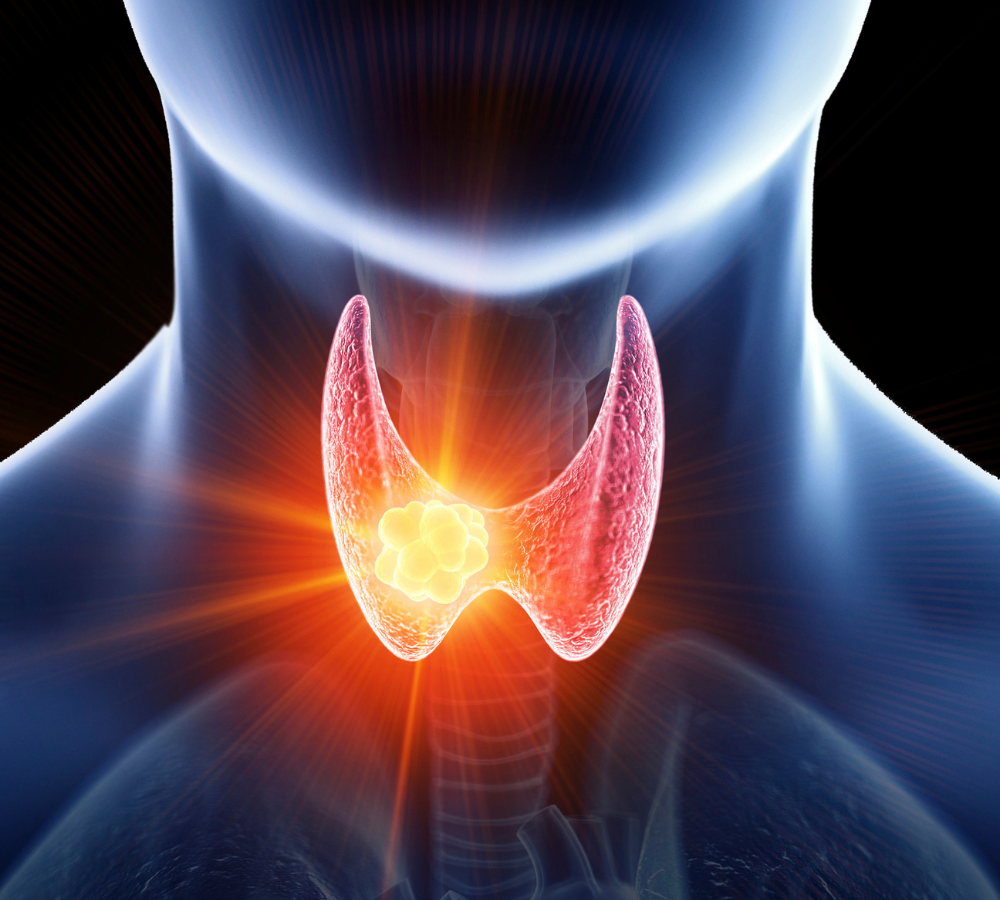
Located at the base of the neck, the thyroid gland is shaped like a butterfly. Despite its small size, it serves as one of the body’s most important regulators.

The hormones it produces influence:

  • Metabolism
  • Heart function
  • Energy levels
  • Body temperature
  • Nervous system function
  • Muscle performance
  • Ability to concentrate
  • Sleep quality

Because thyroid hormone receptors are found in almost every cell of the body, even a minor disruption in thyroid function can affect multiple aspects of daily life.

This is one of the main reasons why hormonal disorders often remain undiagnosed for extended periods.

When Changes Happen Gradually, Problems Are Easy to Miss

One of the greatest challenges associated with thyroid disorders is the way they develop.

It is uncommon for someone to wake up one morning with a clear set of symptoms pointing directly to a specific diagnosis. More often, the changes happen slowly. Fatigue becomes more noticeable. A few months later, concentration problems begin to appear.

Over time, overall wellbeing declines, and everyday responsibilities require more effort than before.

Many people attribute these changes to a busy lifestyle. For professionals, entrepreneurs, and parents, chronic exhaustion can seem like a normal part of everyday life. As a result, early warning signs are often ignored far longer than they should be.

Symptoms Worth Discussing With a Healthcare Professional

Thyroid disorders can present in many different ways. While not every person will experience the same symptoms, some of the most commonly reported include:

  • Persistent fatigue
  • Excessive sleepiness
  • Memory and concentration difficulties
  • Hair loss
  • Dry skin
  • Brittle nails
  • Weight gain
  • Unexplained weight loss
  • Heart palpitations
  • Heart rhythm disturbances
  • Excessive sweating
  • Intolerance to cold temperatures
  • Muscle aches
  • Muscle cramps
  • Irritability
  • Low mood
  • Anxiety
  • Depression
  • Swelling in the neck area

A single symptom does not necessarily indicate a thyroid disorder. However, when several symptoms occur together or persist for an extended period, seeking medical advice is often a sensible next step.

Why Are Women Diagnosed More Frequently?

Statistics show that approximately 80% of people diagnosed with thyroid disorders are women.

Healthcare professionals also pay particular attention to pregnancy and the months following childbirth. Thyroid inflammation is estimated to affect up to 10% of women after giving birth.

Research increasingly suggests a connection between thyroid disease and other autoimmune conditions. Some patients diagnosed with thyroid disorders are also found to have celiac disease or other immune system-related conditions.

Rising Diagnosis Rates Highlight the Importance of Early Detection

Many countries are reporting an increase in thyroid-related diagnoses. This includes both hormonal disorders and thyroid cancers. According to medical data, approximately 230,000 new cases of thyroid cancer were diagnosed in women worldwide in 2012, compared with around 70,000 cases in men.

Experts attribute this increase, at least in part, to improved public awareness and greater access to modern diagnostic tools. This is encouraging news because early identification of many thyroid conditions significantly improves treatment options and long-term outcomes.

Often, the Biggest Challenge Is Not Treatment but Finding Answers

People seeking medical advice for suspected hormonal issues are rarely looking for an immediate cure.What they want most is an explanation. They want to understand why they have not felt like themselves for months. The journey to finding answers often includes:

  • A medical consultation
  • Laboratory testing
  • TSH assessment
  • FT3 and FT4 hormone testing
  • Thyroid antibody testing
  • Thyroid ultrasound
  • Consultation with an endocrinologist

When each stage involves lengthy waiting times, the process can stretch across weeks or even months. During that period, daily functioning may become increasingly difficult, while uncertainty about one’s health creates additional stress.

Faster Access to Diagnostics Can Change the Entire Experience

When it comes to thyroid disorders, the quality of care matters, but so does timely access to medical services.

The ability to quickly complete laboratory tests, specialist consultations, and imaging studies can help identify the underlying cause of symptoms sooner and support earlier clinical decision-making.

For many individuals, this means more than just a shorter path to diagnosis. It also provides reassurance, clarity, and a greater sense of control over their health.

Why More People Are Choosing Private Health Insurance

A few years ago, private health insurance was primarily associated with covering the cost of treatment. Today, expectations are much broader. Patients increasingly value:

  • Convenient access to healthcare services
  • Easier access to specialists
  • Faster appointment scheduling
  • Timely diagnostic testing
  • Better coordination of care

For thyroid-related concerns, access to the following may be particularly important:

  • Hormone testing
  • Laboratory diagnostics
  • Thyroid ultrasound examinations
  • Endocrinology consultations
  • Follow-up investigations based on test results

Private health insurance cannot guarantee a specific diagnosis. However, it can help individuals move more efficiently from the first warning signs to a professional medical assessment.

And when it comes to health, time is often one of the most valuable resources available.

Frequently Asked Questions

What are the first signs of thyroid problems?

Common early signs include chronic fatigue, difficulty concentrating, hair loss, weight changes, mood disturbances, and heart palpitations.

Which tests are typically performed when thyroid disease is suspected?

The most common investigations include TSH, FT3, FT4, thyroid antibody testing, and thyroid ultrasound examinations.

Can thyroid disorders affect mental wellbeing?

Yes. Thyroid dysfunction can influence energy levels, concentration, mood, and overall nervous system function.

Can private health insurance support the diagnostic process?

Many private health insurance plans provide access to specialist consultations, laboratory testing, and diagnostic imaging, helping patients move through the assessment process more efficiently.

Your Body Rarely Sends Warning Signals Without a Reason

A decline in energy, difficulty concentrating, significant weight changes, or worsening hair condition are not always the result of stress or a busy lifestyle. Sometimes, they are signs that the body is trying to draw attention to an underlying issue that deserves further investigation.

Rather than viewing these changes as temporary inconveniences, it may be worth considering them as an opportunity to take a closer look at your health.

In the case of thyroid disorders, timely testing can accelerate diagnosis and support appropriate medical care. This is one reason why private health insurance is increasingly viewed not only as financial protection, but also as a practical way to gain faster access to specialists, diagnostic services, and the information needed to make informed healthcare decisions.

Because when the body has been sending warning signs for months, the most important question is not how long those signals can be ignored, but how quickly their cause can be understood.


How Language Barriers Affect Healthcare Access and Safety for Expats

When Relocating Abroad, Healthcare Is Rarely the First Concern. For most expats, the biggest challenges associated with relocation seem fairly obvious. A new job, a new environment, administrative procedures, housing arrangements, and family logistics usually take priority during the first months in a new country.

What many people do not anticipate is a situation that can arise unexpectedly and at the worst possible moment: the need to access medical care within a healthcare system that operates very differently from the one they know.

According to the United Nations, more than 280 million people currently live outside their country of birth, and the number of internationally mobile professionals continues to grow. As global mobility increases, so does the need for healthcare solutions that provide not only access to treatment but also clear communication and understanding.

When the Real Challenge Is Not the Illness but Understanding What Comes Next

Most expatriates navigate everyday situations abroad without major difficulties. Dining in restaurants, signing rental agreements, or participating in business meetings rarely present significant communication challenges.

Healthcare is different.

Medical terminology, diagnostic reports, treatment recommendations, and discussions about risks or potential side effects can be difficult to understand even for native speakers. A conversation that may seem straightforward to a healthcare professional can quickly become overwhelming for a patient trying to process important medical information in a foreign language.

Research published by the World Health Organization has repeatedly highlighted communication barriers as one of the most common causes of misunderstandings between patients and healthcare providers. For people receiving medical care abroad, the risk of misunderstanding critical information becomes even greater.

The Cost of Uncertainty Is Difficult to Measure

Imagine receiving unexpected or concerning test results while living thousands of miles away from home.

A physician explains the findings and outlines the next steps in the diagnostic process. New questions immediately arise regarding treatment options, timelines, follow-up consultations, and possible health implications.

In theory, every word can be translated.

In practice, most patients are not looking for a literal translation. They want to understand the situation, assess their options, and feel confident that they are making informed decisions.

This is one of the reasons why many expatriates consider access to medical support in their own language to be one of the most valuable components of private health insurance.

The Numbers Reveal the Scale of the Problem

What Concerns International Patients Most?

Studies focused on international patient experiences show that communication remains a major concern:

  • 68% worry about misunderstanding medical advice.
  • 64% identify communication difficulties as one of the biggest challenges when receiving healthcare abroad.
  • More than 70% consider access to information in their own language to be a key factor in evaluating healthcare quality.

What Matters Beyond Medical Treatment?

Surveys among expatriates consistently highlight three priorities:

  1. Fast access to medical specialists.
  2. Assistance with organising treatment and appointments.
  3. The ability to communicate in a familiar language.

Interestingly, language support is often rated as more valuable than certain extensions of medical coverage itself.

Communication Influences Healthcare Outcomes

Increasing evidence suggests that patients are more likely to follow medical advice when they fully understand their diagnosis, treatment plan, and expected outcomes.

This is not simply a matter of comfort.

Effective communication is associated with:

  • Better adherence to treatment recommendations.
  • Fewer medication-related misunderstandings.
  • Faster healthcare decision-making.
  • Greater trust in healthcare providers.
  • Improved patient confidence throughout the treatment journey.

For expatriates, these benefits are amplified because they are often navigating unfamiliar healthcare systems while simultaneously managing the stress of a health concern.

Modern Private Health Insurance Is About More Than Covering Medical Costs

A decade ago, many people selected health insurance based primarily on annual limits, hospital access, and the scope of medical coverage.

Today, expectations have evolved significantly.

Expats increasingly look for healthcare solutions that provide:

  • 24/7 medical assistance.
  • Treatment coordination.
  • Appointment scheduling support.
  • Access to international healthcare networks.
  • Medical guidance in their preferred language.

In practice, these services often determine whether a person feels confident and supported throughout the healthcare experience.

Frequently Asked Questions

Why is medical communication so important for expats?

Clear communication enables patients to fully understand their diagnosis, treatment recommendations, and available options, helping them make informed healthcare decisions.

Can language barriers affect the quality of healthcare?

Yes. Communication difficulties can lead to misunderstandings regarding medical advice, medication use, treatment plans, and follow-up care.

What should expats consider when choosing private health insurance abroad?

Beyond coverage limits and medical benefits, it is important to evaluate assistance services, treatment coordination, international provider networks, and access to support in a preferred language.

Peace of Mind Begins with Understanding

In a world where more professionals are building international careers and living far from their home countries, access to high-quality healthcare has become about far more than convenience.

Equally important is the ability to understand what is happening, ask the right questions, and receive clear answers without the added stress of navigating a language barrier during an already difficult situation.

Private health insurance does more than cover medical expenses. In many cases, it provides something that cannot be measured through policy limits or benefit schedules: the confidence that wherever life takes you, professional support, clear communication, and reliable guidance are available when they matter most.

Because when health becomes uncertain, understanding is often the most valuable form of protection

Summer Superfoods: Natural Support for Health During Holiday

Summer is the perfect time to focus on healthy eating. Farmers’ markets and grocery stores are filled with fresh fruits, vegetables, and other nutrient-rich foods. During this season, we also hear a lot about so-called superfoods. But are they simply a marketing trend, or can they genuinely support our health?

Although the term “superfood” is not a scientific classification, certain foods do stand out because of their exceptionally high levels of vitamins, minerals, fiber, antioxidants, and healthy fats. Regularly including them in your daily diet may help improve overall well-being and support long-term health.

Key Takeaways

  • Superfoods are primarily a marketing term rather than a scientific category.
  • The best summer superfoods are often local and seasonal products.
  • Antioxidant-rich foods help protect the body against oxidative stress.
  • A healthy diet is based on variety, not on a single “miracle” ingredient.
  • It is important to consider both nutritional value and food quality and origin.

What Are Superfoods?

The term superfoods is commonly used to describe foods that contain especially high levels of health-promoting nutrients. These include antioxidants, fiber, healthy fats, vitamins, minerals, and plant-based bioactive compounds.

Particularly important are phytochemicals, naturally occurring substances found in fruits, vegetables, and certain spices. These compounds act as powerful antioxidants, helping protect the body’s cells from oxidative stress, which may accelerate aging and increase the risk of various chronic diseases.

Why Are Berries Among the Best Summer Superfoods?

Summer is the ideal season to enjoy blueberries, bilberries, blackberries, raspberries, and cherries. These deeply colored fruits contain high levels of antioxidants that support the body’s natural defense mechanisms.

They are also rich in fiber and vitamin C, which contributes to the normal functioning of the immune system. Berries make an excellent addition to breakfasts, smoothies, yogurt, and light desserts.

Garlic, Onion, and Ginger: Small Ingredients with Big Benefits

Modest kitchen staples such as garlic, onion, black pepper, ginger, and chili peppers contain numerous biologically active compounds that may benefit health.

These ingredients may help support cardiovascular health and the immune system. During the summer months, they pair perfectly with grilled vegetables, salads, and light Mediterranean-style dishes.

Broccoli and Cruciferous Vegetables: Natural Support for the Body

Broccoli, Brussels sprouts, cauliflower, cabbage, and garden cress belong to the cruciferous vegetable family, which has long been of interest to nutrition experts.

These vegetables contain a variety of bioactive compounds and carotenoids that support overall health. To preserve as many nutrients as possible, it is best to steam them briefly or consume them partially raw.

Since carotenoids are absorbed more effectively in the presence of dietary fat, olive oil is an ideal complement to these vegetables.

Can Nuts Be Considered a Superfood?

Absolutely. Nuts provide healthy fats, protein, minerals, and a wide range of beneficial phytochemicals.

Regular consumption of a small portion of nuts may support heart and vascular health. However, because nuts are calorie-dense, it is generally recommended to limit intake to about one handful per day.

It is also important to pay attention to freshness and proper storage conditions.

Oily Fish: A Valuable Source of Omega-3 Fatty Acids

Salmon, herring, and mackerel rank among the most valuable foods for supporting heart and brain health. The omega-3 fatty acids they contain play an important role in the body’s normal functioning.

Dietitians recommend consuming oily fish at least once a week. During summer gatherings and outdoor meals, consider replacing some heavier dishes with fish rich in healthy fats.

Legumes: Underrated Superfoods

Beans, lentils, chickpeas, peas, and soybeans are among the best plant-based sources of protein.

They are rich in fiber, minerals, and bioactive compounds and can serve as the foundation for salads, main courses, and healthy snacks. Regular consumption of legumes can benefit both those following plant-based diets and those with a more traditional eating pattern.

Natural Yogurt and Muesli: A Healthy Summer Breakfast

Natural yogurt contains probiotics that help support a healthy gut microbiome. It is also a good source of protein, calcium, and B vitamins.

Combined with seasonal fruits, nuts, and whole-grain muesli, it creates a balanced meal that provides sustained energy throughout the morning. Whenever possible, choose natural products without added sugars or artificial ingredients.

Are All Superfoods Healthy?

Not every product marketed as a “superfood” truly deserves the title.

Many exotic foods have become popular mainly due to effective marketing campaigns. In many cases, their nutritional value is comparable to that of locally available fruits, vegetables, and seeds that are often much more affordable.

It is worth maintaining a balanced perspective and avoiding the temptation to chase every new food trend.

Why Is Food Origin Important?

The type of food you choose matters, but so does its quality.

Some imported products may contain residues of pesticides, heavy metals, or other contaminants. For this reason, it is advisable to purchase food from trusted sources and prioritize seasonal produce whenever possible.

Local fruits and vegetables often offer nutritional benefits equal to, or even greater than, those of their exotic counterparts.

Health Is Built Through Daily Choices

There is no single food that can guarantee good health and well-being. Lasting benefits come from consistently caring for your body through a balanced diet, regular physical activity, quality sleep, and preventive healthcare.

Summer provides a unique opportunity to enjoy the abundance of seasonal fruits and vegetables, which supply the body with a wide range of valuable nutrients. These foods may well be the best and most accessible superfoods available.

Frequently Asked Questions About Superfoods

Do superfoods really work?

Yes. Many foods commonly referred to as superfoods contain high levels of nutrients that support normal bodily functions. However, they cannot replace a healthy lifestyle and a balanced diet.

Which superfoods are best during the summer?

Some of the best summer superfoods include blueberries, bilberries, raspberries, broccoli, tomatoes, nuts, natural yogurt, legumes, and oily fish.

Are exotic superfoods better than local products?

Not necessarily. Many locally grown fruits and vegetables offer nutritional value that is comparable to, or even greater than, that of trendy imported products.

How often should you eat superfoods?

Consistency is key. Aim to consume a variety of vegetables, fruits, whole grains, healthy fats, and quality protein sources every day.

We believe that prevention begins with everyday choices. Healthy eating, regular physical activity, and routine health screenings are among the best investments you can make in your long-term health and well-being.

This article was prepared based on materials provided by Prof. Dr. Werner Seebauer, a specialist in preventive medicine who collaborates with NESA and MediSky International.


Don’t Spend Your Savings on Medical Bills: How to Protect Your Cash Flow During a Health Crisis

Running your own business offers independence and flexibility, but it also comes with greater responsibility for your financial security. Entrepreneurs, freelancers, and consultants often focus on building an emergency fund, managing expenses, and protecting their business against unexpected risks.

However, one risk is frequently overlooked: health problems.

Many business owners do not consider the possibility that their greatest financial threat may not come from economic uncertainty or a loss of clients, but from an unexpected illness or injury.

A sudden diagnosis, the need for specialist investigations, or long-term treatment can create significant medical expenses while simultaneously affecting a person’s ability to earn an income.

For this reason, more entrepreneurs and self-employed professionals are considering Private Medical Insurance (PMI) as a way to protect not only their health but also their financial stability and cash flow.

Why Can Health Problems Threaten an Entrepreneur’s Finances?

Employees often benefit from greater income stability during periods of illness. For business owners and freelancers, the situation is very different.

If a business owner or self-employed professional is unable to work, their ability to generate revenue is often affected as well.

At the same time, additional healthcare-related expenses may arise, including:

  • Specialist consultations
  • Laboratory tests
  • Diagnostic imaging
  • Hospital treatment
  • Rehabilitation
  • Follow-up appointments

As a result, a single health issue can create a double financial burden.

On one hand, medical expenses increase. On the other hand, the ability to operate the business and generate income may decrease.

Should Your Emergency Fund Be Used to Cover Medical Expenses?

This is one of the most common questions asked by entrepreneurs.

The answer is: not necessarily.

An emergency fund is designed to protect against unexpected situations such as:

  • The loss of a key client
  • A decline in business revenue
  • Economic uncertainty
  • Unexpected family or business expenses

If a significant portion of your savings is used to pay for medical consultations, diagnostic tests, or treatment, rebuilding that financial safety net may take months or even years.

This is why many business owners are looking for ways to separate healthcare costs from the savings they have spent years building.

How Does Private Medical Insurance Help Protect Savings?

Private Medical Insurance (PMI) allows individuals to transfer a significant portion of the financial risk associated with healthcare costs to an insurer. Instead of paying directly for consultations, diagnostic tests, and treatment, insured individuals can access healthcare services through their insurance coverage. For many entrepreneurs, this means greater financial predictability and better protection of the capital they have accumulated over years of running a business.

Depending on the policy, Private Medical Insurance may provide access to:

  • Specialist doctors
  • Laboratory diagnostics
  • Magnetic Resonance Imaging (MRI)
  • Computed Tomography (CT) scans
  • Advanced diagnostic imaging
  • Hospital treatment
  • Rehabilitation services
  • Post-treatment care

Why Does Fast Diagnosis Matter for Business?

Many people view Private Medical Insurance primarily as a way to cover healthcare costs. However, for entrepreneurs, time is equally valuable.

Long waiting times for neurological, orthopaedic, cardiology, or gastroenterology consultations may lead to weeks of uncertainty and delays in starting treatment.

Faster access to specialists and diagnostic testing can help individuals receive answers sooner and begin appropriate treatment without unnecessary delays.

For business owners, this often means a faster return to work, clients, projects, and revenue-generating activities.

Frequently Asked Questions About Private Medical Insurance

Is Private Medical Insurance worth it for entrepreneurs?

For many business owners, Private Medical Insurance is an important part of risk management. It helps reduce unexpected healthcare costs while providing faster access to specialists and diagnostic services.

What are the benefits of Private Medical Insurance for self-employed professionals?

The most commonly cited benefits include faster access to healthcare, protection of personal savings, access to specialist treatment, and reduced disruption to professional activities caused by health issues.

Does Private Medical Insurance cover MRI and CT scans?

Coverage depends on the specific policy. However, many Private Medical Insurance plans include MRI scans, CT scans, and other diagnostic tests required to support an accurate diagnosis.

Do I still need an emergency fund if I have Private Medical Insurance?

Yes. Private Medical Insurance and an emergency fund serve different purposes. Insurance helps reduce healthcare costs, while an emergency fund provides protection against other unexpected financial and business-related challenges.

Why are more entrepreneurs choosing private healthcare?

The main reasons include faster access to specialists, shorter waiting times for diagnostic tests, greater control over the healthcare journey, and quicker access to treatment.

Can Private Medical Insurance help protect business cash flow?

Yes. Paying for medical consultations, diagnostics, and treatment directly from personal or business funds can put pressure on cash flow. Private Medical Insurance helps reduce this financial risk and provides greater predictability when unexpected health issues arise.

Private Medical Insurance Protects More Than Your Health

Health and finances are more closely connected than many entrepreneurs realise.

Building savings requires time, discipline, and careful financial planning. That is why it is important to ensure that unexpected health problems do not force you to use funds intended for business growth, family security, or long-term financial goals.

Private Medical Insurance helps provide access to specialist consultations, diagnostic services, and treatment when they are needed most. At the same time, it helps protect one of the most valuable assets any entrepreneur has: financial stability.

Because your emergency fund should support your future, your family, and your business.

Not pay for medical bills.

How Health Benefits Build Employee Loyalty

Just a few years ago, health benefits were viewed primarily as an additional perk within an employment package. Salary, career advancement opportunities, and company culture were often the deciding factors when candidates evaluated a job offer.

Today, the situation is different.

Rising living costs, growing awareness of health and wellbeing, and increasing pressure on public healthcare systems have made access to healthcare one of the most valued employee benefits. More employees are evaluating not only how much they earn but also how much support they can expect from their employer when it comes to their health and quality of life.

As a result, group health insurance is no longer seen as an optional extra. It has become a key component of employee wellbeing, talent retention, and employer branding strategies.

What Is Group Health Insurance?

Group health insurance is an employer-sponsored healthcare benefit that provides employees with access to private medical care, specialist consultations, diagnostic testing, preventive services, and treatment, often under more favorable conditions than individual plans.

For many employees, it represents a practical way to access healthcare quickly and efficiently when they need it most.

How Does Group Health Insurance Improve Employee Loyalty?

Group health insurance helps improve employee loyalty by providing faster access to healthcare services, reducing stress related to medical concerns, and demonstrating that the employer genuinely cares about employee wellbeing.

When employees feel supported during challenging situations, they are more likely to trust their employer, remain engaged, and stay with the organization for longer.

Employee Security Has Taken on a New Meaning

The modern workplace continues to evolve rapidly. Employees are expected to adapt to new technologies, changing business environments, and increased performance expectations.

At the same time, health remains one of the most important factors affecting both personal and professional life.

Employees increasingly expect their employers to provide benefits that help them care for themselves and their families. When health issues arise, quick access to specialists, diagnostic tests, and treatment becomes significantly more valuable than entertainment-based workplace perks.

This explains why private healthcare consistently ranks among the most desirable employee benefits.

Public Healthcare Systems Are Under Increasing Pressure

One of the biggest challenges facing healthcare systems today is the growing waiting time for consultations, diagnostics, and treatment.

In many countries, access to specialists, imaging services, or elective procedures can take weeks or even months. For employees, these delays often lead to frustration, uncertainty, and increased stress.

Waiting for answers about one’s health can make it difficult to focus fully on work, maintain productivity, and stay engaged.

This is why many employees view group health insurance as a type of healthcare VIP pass. It enables faster access to medical professionals, diagnostic services, and treatment when timely intervention matters most.

Time Has Become the Most Valuable Employee Benefit

When it comes to healthcare, speed often matters just as much as quality.

Many neurological, orthopedic, cardiovascular, and gastrointestinal conditions require specialist consultations and diagnostic testing before treatment can begin.

The sooner individuals receive answers about their health, the sooner they can:

  • Start treatment.
  • Reduce uncertainty.
  • Return to normal daily activities.
  • Improve their overall wellbeing.

For employers, this creates measurable business benefits, including:

  • Lower absenteeism.
  • Higher productivity.
  • Increased employee engagement.
  • Better workforce stability.

This is why leading organizations increasingly see healthcare benefits as an investment rather than a cost.

Group Health Insurance Helps Retain Top Talent

Recruiting top talent requires substantial time, effort, and resources.

Retaining talented employees is even more challenging.

Today’s candidates look beyond salary when assessing employment opportunities. They evaluate the overall employee value proposition, including benefits that positively impact their everyday lives.

Private healthcare is one of the few benefits employees can use regularly throughout their entire employment journey.

Unlike occasional perks, healthcare support delivers ongoing value.

As a result, organizations that offer comprehensive health benefits are often better positioned to:

  • Attract qualified candidates.
  • Improve employee satisfaction.
  • Reduce turnover.
  • Increase employee loyalty.
  • Strengthen long-term workforce retention.

Healthcare Benefits Support Employee Wellbeing

Employee wellbeing has become a strategic business priority.

Organizations increasingly recognize that physical health, mental wellbeing, and workplace performance are closely connected.

Comprehensive health benefits can help employees:

  • Access preventive care.
  • Address medical concerns earlier.
  • Reduce health-related stress.
  • Maintain a healthier work-life balance.
  • Feel more supported by their employer.

When employees feel that their wellbeing matters, they typically become more engaged and committed to organizational success.

A Strong Employer Brand Starts With Caring for People

Employer branding is no longer limited to career websites, recruitment campaigns, or social media visibility.

Employees want evidence that organizations genuinely care about their people.

Providing access to private healthcare sends a clear message:

Employee health and wellbeing are a priority.

This commitment helps organizations:

  • Build trust.
  • Improve employee experience.
  • Strengthen workplace culture.
  • Enhance their reputation as an employer of choice.

A strong employer brand is ultimately built through actions, not promises.

Why Employees Stay Where They Feel Safe

In uncertain economic and social environments, employees expect more than competitive salaries.

They seek:

  • Stability.
  • Support.
  • Trust.
  • Security.

Group health insurance addresses these needs by providing access to:

  • Doctors and specialists.
  • Diagnostic testing.
  • Preventive healthcare.
  • Ongoing treatment and medical support.

Most importantly, it gives employees something that is becoming increasingly valuable in both professional and personal life:

Peace of mind.

And that sense of security is often what transforms satisfied employees into loyal employees who choose to stay with an organization for years.

Frequently Asked Questions (FAQ)

Why do employees value health benefits?

Health benefits provide practical support during important life situations, improve access to medical care, and reduce stress related to health concerns.

Does group health insurance improve employee retention?

Yes. Employees who feel supported by their employer are generally more likely to remain with the organization and less likely to seek alternative employment opportunities.

Why is private healthcare a popular employee benefit?

Private healthcare often offers faster access to specialists, diagnostic services, and treatment compared to public healthcare systems.

How do health benefits support employer branding?

Health benefits demonstrate that an organization values employee wellbeing, helping strengthen trust, engagement, and the company’s reputation as an employer.

What are the main advantages of group health insurance?

The key benefits include:

  • Faster access to healthcare.
  • Reduced waiting times.
  • Greater employee satisfaction.
  • Improved wellbeing.
  • Higher productivity.
  • Stronger employee loyalty.
  • Better talent retention.

Conclusion

As workforce expectations continue to evolve, health benefits have become far more than a traditional employee perk.

Group health insurance enhances employee wellbeing, strengthens loyalty, supports talent retention, and contributes to a stronger employer brand. In an increasingly uncertain world, employees value organizations that help them feel supported, protected, and secure.

Because ultimately, people stay longer where they feel cared for, valued, and safe.


Private Neurologist: When Should You See a Neurologist?

Neurological conditions can have a significant impact on quality of life, which is why any concerning symptoms should be evaluated by a specialist as soon as possible. A private neurology consultation offers fast access to diagnostic testing and treatment without the long waiting times often associated with public healthcare systems. But when should you see a private neurologist, and which symptoms should never be ignored? In this guide, we explain the key warning signs and the benefits of seeking specialist neurological care.

When Should You See a Neurologist?

Neurology is the branch of medicine focused on diagnosing and treating disorders of the nervous system, including the brain, spinal cord, and peripheral nerves. Neurological symptoms are often overlooked or attributed to stress, fatigue, or aging, which can delay diagnosis and treatment. It is important to pay attention to the following warning signs:

  • Frequent headaches and migraines – recurring or severe headaches that do not respond to pain relief medication may require neurological evaluation.
  • Dizziness and balance problems – these symptoms may be linked to nervous system disorders, inner ear conditions, or changes affecting the brain.
  • Numbness and tingling in the arms or legs – these sensations may indicate neuropathy, multiple sclerosis, or vitamin deficiencies.
  • Muscle weakness and coordination difficulties – possible symptoms of neurodegenerative conditions such as Parkinson’s disease.
  • Memory and concentration problems – early signs of dementia, Alzheimer’s disease, or chronic fatigue-related conditions.
  • Insomnia and sleep disorders – neurological dysfunctions such as restless legs syndrome or nocturnal epilepsy may affect sleep quality.
  • Seizures and fainting episodes – these symptoms can be associated with epilepsy or other neurological disorders requiring urgent assessment.

Why Choose a Private Neurologist?

Public healthcare systems often involve lengthy waiting times for specialist appointments. In neurological conditions, early diagnosis and prompt treatment can play a crucial role in improving outcomes and reducing the risk of complications.

By choosing a private neurology consultation, patients benefit from:

  • Fast access to a specialist – appointments may be available within days rather than months.
  • Personalised care – longer consultation times allow for a detailed assessment of symptoms and medical history.
  • Access to diagnostic tests without delays – MRI scans, CT scans, EEGs, and other neurological investigations can often be arranged quickly.

Neurological Diagnostic Tests: What May a Neurologist Recommend?

Depending on the symptoms and clinical assessment, a neurologist may recommend a range of tests to support an accurate diagnosis.

Magnetic Resonance Imaging (MRI)

MRI is one of the most important diagnostic tools in neurology. It provides highly detailed images of the brain and spinal cord and is widely used to identify neurological disorders, inflammation, tumors, and structural abnormalities.

Computed Tomography (CT Scan) –  CT scans are particularly useful in the assessment of strokes, head injuries, and other acute neurological conditions.

Electroencephalography (EEG) – EEG measures electrical activity in the brain and is commonly used to diagnose epilepsy, seizure disorders, and certain sleep-related conditions.

Electromyography (EMG) – EMG evaluates nerve and muscle function and is often recommended when neuropathy or neuromuscular disorders are suspected.

Laboratory Testing – Blood tests may help identify underlying causes of neurological symptoms, including vitamin deficiencies, inflammation, infections, or metabolic disorders.

Expert Advice: When Should You Not Delay Seeing a Neurologist?

According to Marcin Marcinkowski, Neurologist at CopernicusMed:

“Every neurological case requires an individual approach. If a patient notices progressive symptoms such as loss of sensation in the limbs, severe headaches, or disturbances of consciousness, it is important not to delay seeking medical attention. Early diagnosis can help prevent serious complications, particularly in conditions such as stroke or neurodegenerative diseases.”

How to Prepare for a Neurology Appointment

To make the consultation as effective as possible, it is worth preparing in advance.

Patients should:

  • Bring previous medical records, test results, and hospital discharge summaries.
  • Prepare a list of current medications and supplements.
  • Document symptoms, including when they started, how often they occur, and any factors that worsen or improve them.
  • Write down questions related to diagnosis, treatment options, and next steps.

Early Diagnosis Can Make a Difference

Neurological conditions can have serious consequences if left untreated, which is why symptoms should never be ignored. A private neurologist can provide timely access to specialist care, advanced diagnostic testing, and personalised treatment planning.

If you are experiencing persistent headaches, dizziness, numbness, memory issues, or other neurological symptoms, seeking medical advice promptly may help protect your long-term health and improve treatment outcomes.

It is also worth remembering that private health insurance can provide faster access to neurologists, specialist consultations, MRI scans, CT scans, and other advanced diagnostic services without lengthy waiting times. For individuals who want to respond quickly to concerning symptoms and take a proactive approach to their health, private health coverage offers convenient access to high-quality healthcare, earlier diagnosis, and timely treatment. Access to specialist neurological care can play a crucial role in achieving better health outcomes and maintaining long-term wellbeing.