Chat with us, powered by LiveChat
Menu Close

Category: Stay healthy

Your insurance premium

Is your insurance premium reasonable? Is your price fair? Can we do anything to lower your insurance costs? What is the professional process that calculates the price of your insurance plan?

It is important for us to establish credibility around our pricing policy, and to make sure you know we are doing everything we can to control the price and keep it as fair and affordable as we possibly can.

Please see the main points below:

What is an insurance premium?

This is the name we call the sum of money you pay for your chosen insurance plan. Your quarterly or half-yearly payments are related to your chosen way to pay. You’ll see that your premium payments depend on the plan and option you have selected.

To avoid unnecessary surprises, you should double-check that you have chosen the correct plan, what is covered, and that you can afford to pay the premium to cover it.

Your personal premium calculations?

The main elements include your personal data, such as your age, where you live, whether you wish to have your family on your plan, and level of coverage you wish to obtain will influence the cost of your insurance plan. To this, we are forced to include additional factors which influence the cost of health care, and which can have an influence on the financial management of your plan. These include

  • Inflation
  • Events such as the COVID-19 pandemic
  • The cost of expensive and lengthy new drug and treatment therapies

This means that we have to be very precise when we calculate insurance premiums. We are aware of the fact that customers and brokers we work with are much more sensitive to premium increases than before. So, you should remain confident that our premium management is carried out with much care and attention as it is in our best interest to keep your premium low.

We work closely with our insuring partners (those who share the risk with us) to make sure you don’t have an unpleasant surprise when you receive your Policy Renewal Invitation each year.

Get to know the basic way insurance works:

  • Premiums increase as you get older
  • Making claims does not affect your premium
  • Your country of residence can make a difference
  • Your premium depends on the level of coverage you want
  • Regional, and global factors affect the cost of private healthcare

Premiums increase as you get older

Typically, your age-related premium increase will be around 3% per annum until you reach the age of 65. This percentage can be higher or lower depending on where you live, and the percentage increase will increase as you get older. Between the ages of 65 and 80, your age-related annual premium increase will be no greater than 6%.

Age is not the only factor that affects your premiums. Where you live, the level of coverage you want, and the actual cost of private healthcare also make a difference. So, your total premium increase will be higher than your age-related premium increase.

Claims won’t affect your premium

Unlike some providers, we won’t increase your renewal premium if you’ve made a claim. Members purchase an insurance policy in good faith, so we don’t think it is fair to penalise them for legitimate claims.

Instead, we use what’s known as a community-based model. We average the money we pay out in claims across all our members, so no one person or group of people has to suffer.

The country you live in

Premiums for health insurance are higher in countries where private healthcare is more expensive.

Directly and through our insuring partners, we are working closely with the leading private hospitals and clinics in pretty much every country on the planet. We know the doctors and specialists, we know how they like to work, and we know how much they charge for different medical treatments.

When we compare these charges to global averages, we begin to get a clear a picture of which cities, countries, and regions are expensive, and which are cheaper. We have decades worth of claims and medical data to help us accurately form our pricing model.

Of course, things change all the time. The cost of private healthcare in a country or region can skyrocket very quickly. Treatment for medical conditions in Switzerland and Belgium are as costly as they are in the United States of America. That simply wasn’t the case when we started our operations.

It is also true that international health insurance gives you cover for medical treatment in multiple countries, so we don’t calculate your premium solely according to the country in which you are currently living. For example, residents in Hungary or Poland, would typically travel to Germany or Austria for elective hospital treatment owing to these latter countries having better medical facilities.

Your premium depends on the coverage you want

If you want health insurance with a low excess (an excess is the agreed amount you will pay towards any medical treatment claim) and all the bells and whistles, you’ll have to pay more. Conversely, a plan with capped limits and fewer options won’t cost you so much. A policy with your co-payment (access) may reduce your premium.

For us, the most important thing is that you have the cover that you need. We are not keen on ‘upselling’ and we will never encourage you to purchase a more expensive plan. We’re just happy to have you as a member.

Regional, and global factors affecting the cost of private healthcare

  • Medical inflation – The inflation rate for private healthcare is consistently higher than general inflation. The ever-increasing demand for healthcare means that hospitals and clinics can charge higher prices. The costs of drugs and new sophisticated diagnostics procedures and treatments influence the cost of insurance premiums.
  • Cancer treatment costs – Increasing life spans mean that more people will have cancer at some point in their lives. Substantial investment in developing safer and more effective therapies has improved treatment outcomes. However, these therapies are often costly and can last for many years.
  • NextGen drug therapies – There are exciting advances in the field of medical technology, which are improving healthcare outcomes, but these are extremely expensive treatments.
  • The Coronavirus – The pandemic has caused unprecedented disruption and placed an extraordinary strain on healthcare systems around the world. It is a standard view that this strain will adversely affect hospital prices as they try to recover from COVID-19 disruption in the coming years.

Being fair to our members

Unlike other insurance providers, it is in our best interests to keep premium increases low!

Private healthcare is expensive and, as costs go up, health insurance premiums have to keep pace. We do everything possible to keep premium increases to an absolute minimum, and we’re completely transparent about how we calculate your premiums.

We are working with our insuring partners to secure the fairness of our pricing and also to offer you plenty of options to help reduce your insurance premium, if necessary.

Healthcare is a highly personal experience, so it deserves a personal service. There is a team of real people at the other end of the telephone line when you need us. Give it a try…

We also have a fantastic team in place who are here to help you during the lifetime of your plan, when it’s time to renew it, or when you need medical treatment. We’re smaller than global insurance conglomerates, but we like it that way as this means we can give each of our members much more personal attention.

Money-back guarantee

Whether you’re purchasing a new plan or you’re renewing your current plan, you can cancel it for any reason within 30 days of purchase or renewal. We’ll give you a full refund, provided you haven’t made any claim(s).

COVID-19

We know it’s tough out there, what with restrictions on personal freedom, impending economic recession, and everything else the COVID-19 pandemic entails. We’re here to help you through this period, so if you want to discuss your plan with us, please get in touch! We’ll be happy to help.

Healthy eating may improve your chances of getting pregnant

Did you know that good eating habits can help you get pregnant faster? Here’s how!

Globally, approximately 15% of couples of reproductive ages are seen as infertile and rather more show fertility problems. The extent to which nutrition can play a role in this has been investigated in many studies. However, studies in this field are often of low-quality. The randomized clinical trials were often carried out with small groups of participants and had different designs – partly with nutritional supplements and partly with different nutritional questionnaires.

In recent years, more dietary factors have been studied more specifically. But here, too, more comprehensive data and more complex analyses are needed to be able to make precise statements.

Generally, it can be said that the dietary recommendations, which are also made for the prevention of “civilization diseases” and for the promotion of health, in the same sense improve some fertility conditions of women and men.

In the following, I highlight a few points that showed a clearer correlation in positive or negative context. In general, however, it must be emphasized that there are certainly always several factors interacting, just as these topics have already been dealt with in previous lesson units – e.g., the quality and combination of food, the pollution and production conditions, etc. – see previous teaching letters)

Since one knows that the healthy and optimal conditions cannot be achieved by single nutrients or supplements, but in numerous studies the effects regarding fertility relationships, in both women and men, have been investigated by looking on single substances or dietary supplements, such study designs are not suitable from the outset to cover all important aspects. Such study concepts cannot analyze the natural food conditions, since many thousands of substances interact with the diet and there are thus so many variables that do not allow it to define precisely, which particularly promotes the desired effect.

In prospective case-control studies with the use of defined doses of a selection of nutrients (to maintain clarity and correlation determination), one can better guess possible interactions, but even these cannot capture the complex interaction of the thousands of nutrients of a healthy diet.  The studies are based on pharmacological concept, on a design that wants to determine and define effects on specifically used mono substances or only few interacting substances.  Nature, however, does not work in this way.

Despite these immanent difficulties, I give in this teaching letter an insight into data obtained on the question of better pregnancy planning or reduction of infertility in the context of nutrition. However, you should always be aware that, as mentioned, many more factors canplay decisive roles and that the supplementation of single substances or also multivitamin preparations is generally not a solution and may have at most occasionally only a limited support.

Generally, and with limited expressiveness (reduced significance), the following can be observed about better fertility:  A healthy diet that provides a good supply of omega-3 fatty acids and phytochemicals (secondary plant substances) as well as vitamins (more frequently were studied, cryptoxanthin, lycopene, β-carotene, vitamin E, vitamin C, vitamin D, vitaminB9 (folate) selenium and zinc,)
– this can be translated to food given by eating fish respective seafood, poultry, whole grains, cereals, vegetables and fruits, legumes, low-fat dairy (low fat milk etc.). In contrasts fertility was reduced by: diets rich in processed meat (e.g. sausage products) and especially red meat, as well as full-fat dairy products, fast carbs (rapidly absorbable sugars) especially sugar-sweetened beverages and sweets, and alcohol.

In the past, soya and dairy products were described as detrimental to fertility. Better research does not prove this link. In the contrary soya and soybean products seem to have benefits in women in therapeutic infertility treatment.

Also, the consumption of moderate doses of coffee as well as even small doses of alcohol does not seem to have any disadvantages in terms of fertility. Here, too, attention should always be paid to the entire diet and consumption of semi luxury food, since, if the diet is already poor and other risk factors, even a small dose of alcohol can cause disadvantages. It should always be thought and analyzed more “holistically”.

Antioxidants, Omega-3 fatty acids, Vitamin D

It is commonly written that antioxidants improve fertility. The administration of antioxidants as food supplements was occasionally seen to improve sperm quality; for the better fertility of the woman, this did not show a significant benefit.
Note: Also, with regard to antioxidant effects (e.g., by foods containing abundant phytochemicals and thus also antioxidant vitamins in the natural matrix of foods) the benefit cannot be limited to the biochemical antioxidant effects; these nutrients always develop many other important functions at the same time. In addition, based on the study results it is not possible to define which antioxidants are responsible for the benefit or which doses are responsible for this benefit.

This is explained by the fact that the synergic interaction of the many substances is needed, and individual substance analyses are not so meaningful.

Thus, antioxidant preparations are partly helpful, but partly not. Biology shows the need of the natural matrix and complex biochemical reactions catalyzed by many different substances!

If one nevertheless wants to make statements about individual substances, one can determine the omega-3 fatty acids and the folic acid as a mono-substance with a probable benefit in terms of fertility.

The extent to which omega-3 fatty acids can potentially benefit from the consumption of fish and seafood must be considered as a benefit-risk assessment if there is a risk of higher heavy metal pollution (e.g., mercury in some marine animals). The risk here does not only concern successful fertilization, even after that there is a significantly higher risk for e.g. an abort (heavy metals such as mercury pass through the placenta and develop on the fetus a 5-10times higher toxic effect compared to adults).

The additional folic acid intake (also as a supplement), which is above the dose of 400-450 g/day, as it is an evident recommendation for the prevention of spinal malformation (Spina Bifida with neural tube defects), seems to increase fertility in women.

Since folic acid doses up to 800 g/day are recommended anyway, if the early enough supplementation for the prophylaxis has been missed at least with 400 g folic acid /day minimum one month before pregnancy, and the higher dose did not show increased risks *, an intake approximately of 600 µg folate/day (in total from food and supplementation) can certainly be recommended in pregnancy planning.   *a link with increased cancer risks, as in animal experiments, could not be substantiated in humans.

Although vitamin D is known to have much more important functions than previously researched mainly in terms of “bone health”; and although animal studies have seen links to better fertility, for humans studies vitamin D no benefits for better fertility were shown if there is no deficiency for vitamin D.
In the case of vitamin D deficiency, which in any case comes only to a small proportion from the usual diet, but via the production in the skin during sun contact, vitamin D should be supplemented.

“Balanced healthy diet, supplementation of Folate, avoidance of pollutants, weight management and work life balance are key factors of getting pregnant.”

Of course, there should also be no insufficient supply of other nutrients (e.g., proteins, fatty acids, long-chain carbohydrates, phytochemicals, vitamins, fiber, etc.), as there may always be disadvantages for various organ functions from the deficiency situations, which also play a role in fertility.  Just as the slogan about nutrition during pregnancy is true “not twice as much, but twice as good” applies, so does this already apply to better fertility.

The many effects of nutrition and the consumption of luxury foods are far from being fully analyzed, but many points can nevertheless show plausible, which can be rather disadvantageous or rather beneficial. In the same sense, this can be explained in the context of fertility.

Orientated, the so-called “Mediterranean Diet” (lots of vegetables and fruits, fish, legumes, herbs, whole grains, healthy vegetable oil such as olive oil) is good!

The intake of excessively high vitamin doses should also be avoided (especially vitamin A and especially isolated high dose vitamins in preparations or nutritional supplements), as these can damage the fetus. An exception to supplementation is folic acid (folate or Vitamin B9). To ensure adequate folic acid supply and to avoid spina bifida malformation in the child, a higher intake of folic acid should take place at least already one month before fertilization (for safety as a supplement of at least 400µg/day). As mentioned above, a higher intake of folic acid may also increase fertility.

In addition to nutrition, other lifestyle factors, such as sufficient physical activity, avoidance of pollutants, reduction of stress and increasing resting time periods (work life balance) should promote health and thus fertility.

Avoiding obesity and achieving normal weight even before pregnancy is another especially important factor, as with greater overweight, many risk factors for the mother and child can increase during pregnancy and persist beyond that (see the article about Gestational Diabetes).

At least, women who are planning a pregnancy should be very careful when taking medication (always consult your gynecologist or other doctor).

In summary, it can be said and plausibly explained that, also in context of better fertility for both women and men, is important

• a balanced, healthy diet, as recommended in the food pyramid.

• The good composition with a clearly predominant vegetable content.

• Vegetable foods with a great variety of flavors and colors (great diversity – goal: at least red-yellow-green fruits and vegetables daily), which ensures the supply of phytochemicals (secondary plant substances), plays an important key role.

• Plenty of pulses and salads as well as culinary herbs complement the recommendation of at least “5 servings of vegetables and fruit a day” (3 vegetables and 2 fruit).

• In addition, there should be a supply of good fatty acids and good protein sources, which is why white, low-fat meat (poultry meat) and even better fish (especially the smaller sea fish that come from non-polluted seas) – via such cold sea fish (herring, salmon, cod), the bioactive forms of omega-3 fatty acids (DHA and EPA) are well supplied – if supplementation is required, oils from special microalgae are good vegan DHA and EPA sources.

• In all these points, attention should always be paid to the quality, which concerns the avoidance or reduction of pollutants (the dose makes the poison) and the hygienic, transport and storage conditions.

• Sufficient physical activity and avoidance of obesity (with its higher risk of diabetes and other diseases) must always be considered; the nutritional effects (risk factors or protective factors) cannot be seen separately from physical activity and weight management.

As we can see, it is always the same multifaceted interacting factors that are naturally important for the human organism and that play important key roles when considering special functional areas – such as better fertility ratios here.

For some people, therefore, only single areas need to be optimized (with low deficits or a few unfavorable conditions); for others, several interventions or optimizations are required, some of which can only be achieved with extended therapeutic measures.

In addition to lifestyle factors, success can always depend on individual genetic constitutions. The lifestyle factors play important roles for the basic requirements of well-functioning organs and homeostasis (balance of physiological body functions) e.g., blood flow and metabolic conditions as well as immune reactions and numerous protective mechanisms.
Lifestyle factors, such as the diet and physical activity, even have epigenetic effects (they can modify gene functions – i.e., for example, mute some “risk genes” (gene silencing) or strengthen “repair genes”).

Prof. Dr. Werner Seebauer is Dean of Studies – Association of German Preventologists, Head of Preventive Medicine Department of Institute of Transcultural Health Sciences (European University Viadrina) and Head of Preventive Medicine – NESA (The New European Surgical Academy). Since 2000, prof. dr. Werner Seebauer worked only in preventive medicine, after ten years spent at the Frankfurt University Hospital. He is also involved in the medical professionals training for nutrition and prevention.

MediHelp International contributes to the medical science development and is actively involved in the international social responsibility advocacy.

Pregnancy Diabetes

Prevention, Screening, and Therapy

Pregnancy diabetes increases the risk of later type II diabetes in women and child

In overweight women, the risk of diabetes increases regardless of pregnancy. Compared to women of normal weight, the diabetes rate was 3.6 times higher for overweight (BMI 25-30) and 15 times higher in Grade II obesity (BMI 35-40).

Every kg above normal weight increases type II diabetes risk by 16%

In particular, the risk increases to later diabetes (30 – 43 times); is shown in women with BIM >30 and gestational diabetes, when the weight gain was more than 5kg.

With a previous weight reduction of at least 2.5kg, the diabetes rate could be reduced by about 20%.

Bao W., Yeung E. et al. Long-term risk of type 2 diabetes mellitus in relation to BMI and weight change among women with a history of gestational diabetes mellitus: a prospective cohort study Diabetologia.2015 Jun;58(6):1212-9.

The obesity of pregnant women also significantly increases the frequency of high birth weight of the child (2-3 times more common macrosomia).

The diet form during pregnancy (composition or quality), as well as the excessive weight of the child already during the fetal period and after birth, show a programmatic influence on the early childhood development in the womb, and above it, a formative influence on the later development of obesity and a higher risk of diabetes type-II in the child.

Remember also, early childhood nutrition has an impact on the child’s risk of obesity. For example, breastfeeding leads to a reduction in the risk of developing obesity in later childhood, or adulthood compared to non-breastfeeding. (DGE currently 01/2009) Infants breastfed with breast milk later develop 20% less overweight and 25% less obesity. The benefit is better the longer breastfeeding has been. Each month of additional breastfeeding time (up to 7-9 months) the subsequent risk of obesity decreases by 4%. (  Koletzko 2011 / 2012/ 2013) The lifestyle in childhood and adolescence has a decisive influence(the behavior of the family plays a major role).

Adequate treatment of gestational diabetes can prevent excessive birth weight (macrosomia “large for gestational age”) but note that alone is not enough to prevent later obesity if the parents are also obese.

The study data are inhomogeneous for later obesity and diabetes in children. Numerous studies have shown this link, but some have not shown significant figures.

Since, in addition to lifestyle factors, genetic factors play different roles in the development of overweight and obesity in mother and child, which cannot be adequately corrected in statistical analyses, different correlations can be convincing.

The higher numbers of children born too large and too heavy are 2-3 times more often with maternal obesity and gestational diabetes; and obesity is a very relevant factor for the development of metabolic syndrome (prediabetes), from which manifest type 2 diabetes if this persists for years. Depending on the form of mother hyperglycemia during pregnancy, the later risk of diabetes in children increases between 11 and 21% compared to 4% in children of women without diabetes or gestational diabetes (Clausen 2008).

Early screening – control by gynecologists – is very important!

Early screening for the risk of gestational diabetes should be carried out as early as the 1st trimester (in the first third of pregnancy) – between the 24th until the 28th week of pregnancy. For risk groups, the screening should be carried out much earlier.

For practical reasons, the fasting blood sugar and, if there is a suspicion of risk, the HbA1c value are determined in pregnant women. 

The risk increases with the insufficiency of glucose metabolism; this can best be tested via the oral glucose load test (OGT). The fasting blood sugar level is a screening test that is not as reliable as the OGT, but since it is more complex, the general checkup during pregnancy will be done with the fasting blood sugar test and expands the determination of the HbA1c value in certain cases.

In more overweight pregnant women and also in already signs of metabolic syndrome (for which the doctor should look), an oral glucose load test is recommended; the analysis ofHbA1c (“blood sugar long-term value”)is not as meaningful for early detection, it is better used for therapy control after observed sugar metabolism disorders (insulin resistance and high blood sugar level).

Clausen TD, Mathiesen ER, Hansen T, et. al. High prevalence of type 2 diabetes and pre-diabetes in adult offspring of women with gestational diabetes mellitus or type 1 diabetes: the role of intrauterine hyperglycemia.Diabetes Care.2008 Feb;31(2):340-6.

Since important functions and thus risks for the future are developed during the early imprinting (starting 1000 days of life from development in the womb), but the influences in early childhood can still change a lot, the study results should be interpreted accordingly with foresight.

The influences on the metabolism of the child and in terms of increased body weight make the process of risk formation plausible.

 In terms of weight gain or calorie requirements, all pregnant women should not eat twice as much(“for two”) but “twice as good”.

Obese women should reduce their weight as much as possible in enough time before planning their pregnancy!

Extreme weight loss diets during pregnancy are not recommended. An overweight pregnant woman, however, should have a lower weight gain during pregnancy.

It is best to lose weight before pregnancy. For women with adiposity, a weight reduction of 5-10% of the starting weight before pregnancy can have a significant positive effect on the health and reduce some risks.  From: Diet and lifestyle during pregnancy Thieme reprint 2018 (German Journal)

To a pregnant woman with a starting position at a normal weight, a recommended pregnancy weight gain is between 11 – 16 kg. While it should be slightly more kilograms in underweight women, overweight should increase significantly less (see Table 1). The later risk of overweight in women and in children increases more with higher weight gain and especially if women were already overweight before pregnancy.

Research Journal Obesity 2016 Volume24, Issue7; Goldberg, Gail R. Nursing Standard (through 2013); Rasmussen National Academy Press, 2009; RF Goldstein, JAMA. 2017; Margerison Zilko CE, American Journal of Obstetrics and Gynecology Volume 202, Issue 6, 2010, The normal weight gain during pregnancy is calculated based on the following factors • At birth your baby weighs about 3.300g. • During pregnancy, the uterus increases significantly by about 900g • The placenta weighs around 600g • Breasts are about 400g heavier. • The blood volume increases by 1,200g. • The extra fluid in the body has a weight of about 2,600g. • About 2,500g are for more fat reserves that provide additional energy for breastfeeding.   Nutrient and energy requirements during pregnancy The nutrient and energy requirements are increased during pregnancy, but not so much that the women must eat for two. The motto is: not twice as much, but twice as good! The need for some micronutrients increases more than the energy requirement. Only in the last pregnancy months the energy requirement just about 10% higher than before pregnancy. In the second trimester of pregnancy, the energy requirement is about 250 kcal per day higher than beforeand in the third trimester (last 3 months), the demand is 500 kcal per day higher if the physical activity remains unimpaired. Many women, however, in the last months of pregnancy have significantly reduced physical activity, so then no increased energy intake is needed.

Overweight, obesity, and type 2 diabetes – risks for mother and child

The increased intrauterine sugar supply (glucose and fructose) leads to increased fetal insulin secretion. From fetal hyperinsulinism, diabetic fetopathy can develop.

Excessive amounts of insulin have a growth-enhancing effect e.g. on white fat tissue and thus an increased birth weight (macrosomia  “large for gestational age” – birth weight above the 90th percentile; 4 kg and more).

The blood count (hemogram) can deteriorate (worse circulatory conditions and higher cardiovascular loads), and also a worse fetal surfactant formation can be the result(surfactant is important for lung development immediately after birth); thus, there may be more postnatal respiratory disorders up to respiratory distress syndrome. Overall, the risk of premature birth with further known complications increases.

For example, studies in Sweden from 1991 to 2003 show that in case of gestational diabetes, the risk of being born before the 37th week of pregnancy is 68% higher (Fadl 2010).

Fadl HE, Ostlund IKM, Magnuson AFK, et. al. Maternal and neonatal outcomes and time trends of gestational diabetes mellitus in Sweden from 1991 to 2003. Diabet Med.2010 Apr;27(4):436-41.

Early in pregnancy occurring diabetes can lead to malformations of the infant’s heart or even death if it’s undetected and thus untreated.

Under the diabetic metabolic situation of pregnant women, higher amniotic fluid production is more often observed. These and the macrosomic fetus (large or overgrown fetus) can overstretch the uterine wall so that the birth often threatens weeks too early. Furthermore, the mother is more often seen with the so-called pregnancy toxicosis (EPH gestosis Edema – Proteinuria – Hypertension; and also accompanying often liver damage. This is a high risk for the mother and the child. You can also see more urinary tract infections, which also increases the risk of premature births. 

Even if there are no complications mentioned above, numerous further complications during childbirth are increased for mother and child. Also, treatments or monitoring in intensive care units in the hospital are necessary.

Risk for mother and child in case of gestational diabetes 

  • Increased preterm birth rate, or infant death or malformations of the heart
  • Need for postnatal monitoring and therapies in intensive care 
  • Increased need for cesarean delivery
  • Risk of difficult childbirth (birth stoppage; broken collarbone, shoulder dislocation, etc.)
  • Hyperbilirubinemia (due to impaired liver function) 
  • Similarly, there is an increased risk of hypoglycemia after birth – and if hypoglycemia is detected too late, potentially permanent brain damage.
  • Increased birth weight, with increased risk of later obesity and diabetes 
  • Women with gestational diabetes have a significantly increased risk of preeclampsia (pregnancy- toxicosis).
  • Women with gestational diabetes have a 50% increased risk of developing type 2 diabetes in the long term.

Prof. Dr. Werner Seebauer is Dean of Studies – Association of German Preventologists, Head of Preventive Medicine Department of Institute of Transcultural Health Sciences (European University Viadrina) and Head of Preventive Medicine – NESA (The New European Surgical Academy). Since 2000, prof. dr. Werner Seebauer worked only in preventive medicine, after ten years spent at the Frankfurt University Hospital. He is also involved in the medical professionals training for nutrition and prevention.

MediHelp International contributes to the medical science development and is actively involved in the international social responsibility advocacy.

Fatigue – what are the reasons?

Stress and fatigue are possibly our best buddies nowadays. We are kind of trying to eat healthily and have eight hours of sleep per day, yet nothing seems to be working. We wake up in the morning feeling as if we had not slept at all, lacking the energy to get out of bed, let alone get any work done. Are you looking for a way to summon the strength to live? I have just the solution for you. The source of this energy lies with certain little organelles found in almost every cell in our body and called mitochondria.

What exactly are mitochondria?

It is within the mitochondria that the source of our vital energy lies. They produce ATP, which is the energy currency that our body can use to buy anything it needs: regeneration, longevity, a healthy immune system, and an efficient nervous system; in a nutshell, our tissues can swap this currency for health. Mitochondria, our energy-producing factories, are also responsible for managing the cellular life and death process, and consequently they are also indirectly in charge of our life and death. Therefore, we should become friends with them, especially when we consider that they make up 10% of the weight of our body.

How do we improve the mitochondria factory work processes?

There are several ways to do this. A lifestyle in which we find the time for physical activity, while at the same observing certain calorie intake restrictions, can improve the quality of our mitochondria. I recommend a low-sugar diet and periodic fasting. Intermittent fasting could be a particularly attractive solution here. The idea is that we set a number of hours during the day, i.e. a window, during which we eat, while fasting outside of that time. I try to eat between 10 am and 6 pm only. And I feel great. As far as our lifestyle is concerned, physical activity is also crucial. It exercises not only our muscles, but also the mitochondria. Implementing these simple rules can protect us against diabetes, coronary artery disease, hypertension, cancer, and dementia throughout our lifecycle. And mitochondrial disorders are exactly what lies at the root of all the chronic diseases! It is also important to eliminate hazards such as heavy metals and other toxins capable of finding refuge in our bodies. I fell a victim to them a while ago myself. I struggled with chronic fatigue syndrome, where something as basic as just climbing the stairs to the first floor was an enormous challenge for me. I decided to check what was happening to me and found that some heavy metals, such as mercury and arsenic, settled in my body. It took a long treatment with intravenous chelation and removing the uninvited guests from my cells for my energy to finally return. This is just one of the threats to mitochondria, and there are quite a few of them; however, there are just as many ways to support them.

For mitochondria to work properly, you need a number of substances such as minerals (Mg, Se, Fe), vitamins (B group), cofactors (particularly the Q10 coenzyme), as well as phospholipids such as phosphatidylcholine. Polyphenols and curcumin are great for our mitochondria too. Sometimes, when our diet lacks these substances, informed supplementation is recommended.

Don’t wait for the future. You can take action today! See our medical plans and register for your next check-up.

Krzysztof Majdyło is a medical doctor specializing primarily in the treatment of chronic diseases (e.g. Lyme disease), modern diagnostics, and personalized therapies supporting oncological treatment. He trained at the Hudson Valley Healing Arts Center in New York with Dr. Richard I. Horowitz, one of the most experienced ILADS physicians in the world. He is the owner and head of the medical team at St. Luke’s Clinic in Gdańsk, where the personalised approach to the patient developed at the Clinic complements other modern supplementation solutions.

Probiotics: a necessity or a fad?

It has been said increasingly over the recent years that probiotics should be used not only during antibiotic therapy, but also in many other instances in our lives. Can good bacteria actually contribute to boosting our health?

As much as 75% of the immune system is housed in our intestines, which is why probiotic bacteria have a truly enormous impact on its maturation.

By introducing beneficial strains to the intestines, we are able to support and aid a huge part of our immunity, while failing to take proper care of our bacterial flora can lead to damaging our body’s natural defence system. This is acutely important in the time of an epidemic when we should be looking after our immunity with particular care.

The studies carried out by nutritionists and scientists in the recent past have yielded further unexpected observations indicating that the composition of the microbiome can make it harder or easier to lose unnecessary kilograms.

It is often said that stress has a big impact on our intestines, which actually is the case. The composition of the intestinal microbiome in people suffering from chronic stress very often leads to inflammation of the intestines and consequently to an increasing number of autoimmune diseases. The entire process starts with a disturbance of the intestinal microflora which reacts to prolonged and severe stress, just as it reacts to antibiotics. Elaborating on the topic, we could name other effects of stress, such as depression.

Mental disorders are also closely linked to the volume, lack or growth of specific bacteria in the intestines, and the fairly well-known serotonin, 90% of which is generated by properly working intestines and the microorganisms that reside in them.

These are just a few examples of how the bacteria in our intestines affect our health.

It is worth noting that a different probiotic with a different composition would be necessary for each of the abovementioned issues. It is always worth seeking the advice of a specialist as to choosing the right probiotic therapy and possibly testing your own microbiome to find out what repair strategy to implement.

We know that “treating” the intestinal microbiome will play an important role in the medicine of the future.

Don’t wait for the future. You can take action today! See our medical plans and register for your next check-up.

Krzysztof Majdyło is a medical doctor specializing primarily in the treatment of chronic diseases (e.g. Lyme disease), modern diagnostics, and personalized therapies supporting oncological treatment. He trained at the Hudson Valley Healing Arts Center in New York with Dr. Richard I. Horowitz, one of the most experienced ILADS physicians in the world. He is the owner and head of the medical team at St. Luke’s Clinic in Gdańsk, where the personalised approach to the patient developed at the Clinic complements other modern supplementation solutions.

COVID Vaccine

Are the COVID-19 vaccines safe?

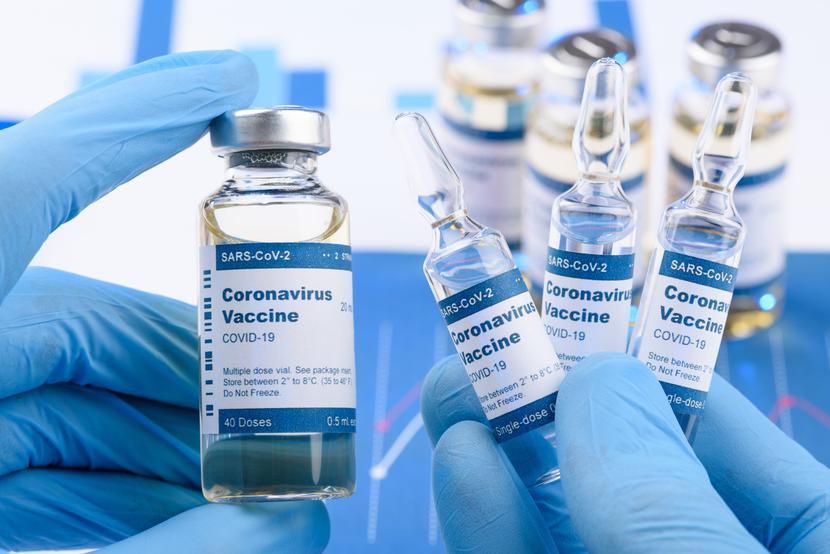
The entire world has been struggling with the COVID-19 epidemic since the very beginning of last year. Fortunately, there is now hope of getting the situation under control: a vaccine for coronavirus. Scientists started working on developing an effective product as early as  January 2020, and in the end it took them less than a year to create the vaccines. Which is precisely what causes the public’s concern. Can the COVID-19 vaccines be safe when they have been produced in such a short period of time? Today’s article provides the answer.

A coronavirus vaccine in Poland.

The COVID-19 vaccines continue to be one of the topics that provoke heated discussions. The following vaccines are now available in Poland:

  • Pfizer,
  • Moderna,
  • AstraZeneca.

The COVID-19 vaccines – are they safe?

Many among the Polish population, however, have doubts as to whether getting vaccinated against coronavirus is worth their while. They mull over the safety of the products and are anxious about possible postvaccination reactions and side effects.

The issue that gives rise to most distress is the short time it took to develop the vaccines. It is often heard that usually the process takes up to several years. It is worth noting, however, that it took the commitment of hundreds of scientists from all over the world to developed the COVID-19 vaccines. In addition, the budget allocated to achieving the goal was truly impressive.

And there is one more thing to keep in mind. The COVID-19 vaccines were developed quickly because the research teams used a technology that had already been in place. RNA vaccines have been studied for nearly  thirty years now. The work carried out in the past involved other coronaviruses, and thus the vaccine production process was available and ready at the very beginning of the pandemic.

Is it sensible to get vaccinated against COVID-19?

Of course it is! As virologists, doctors and scientists around the world assert, all the available vaccines against coronavirus are safe. Each of them was subjected to appropriate clinical tests that have clearly confirmed compliance with the applicable safety and efficacy standards. COVID-19 is an insidious disease; its course varies between patients, and it is dangerous for many of them, as are its complications. Missing out on a vaccination is not worth the risk!

What do the Poles know about immunity?

What’s the Polish way to boost one’s immunity during the epidemic?

It would seem that in the time of the epidemic the subject of immunity should become a critical concern. After all, we are bombarded with expert opinions, slogans such as “take care of your immunity”, and advertisements and commercials for one “immunity focused” remedy after another.

In February 2021, a survey was carried out amongst 1115 adult Poles. I would like to share some of the findings below.

The Poles are aware that the immune system is crucial in the battle against viral and bacterial infections. Unfortunately, at the same time they do not realize that a healthy immune system is also essential to protecting oneself against cancer, autoimmune diseases (e.g. Hashimoto, rheumatoid arthritis, MS), and allergies.

Respondents were asked to list factors that adversely affect immunity, and this was where they showed fantastic knowledge and understanding of the issue. They listed stress, physical inactivity, stimulants, poor diet, sleep deprivation, air and water pollution, overuse of antibiotics and highly processed foods.

Unfortunately, we cannot exactly be proud of this result as in fact all of this knowledge is not being turned into action.

More than 60% of respondents do nothing (sic!) for their immunity. They know what lifestyle would be most beneficial to their wellbeing, alas, they’re failing to practice what they preach.

Furthermore, the survey also brought to light a certain confusion of concepts. The covering of the mouth and nose with a mask is named first amongst the ways to boost the immune system, with hand-washing coming in second. Undeniably, those are vital measures to be taken in prevention of SARS-CoV-2 infection, however, they do nothing for our immune systems. Are we fooling ourselves? “If I wear a mask, I don’t have to do anything else.”

The last finding I would like to share here is a list of immunity-boosting supplements. Nearly 50% of our fellow citizens know about Vitamin D3. That’s probably the effect of an ongoing long-term campaign. Regrettably, only 25% of us know about Vitamin C, with other supplements being mentioned only marginally.  Personally, I am shocked that probiotics have not been brought up at all. I think there is a lingering stereotype here that probiotics are a “shield” used during treatment with antibiotics. We are not aware that there are scientifically tested immunogenic probiotics that strengthen the immune system. In my daily medical practice I teach my patients that healthy intestines are a “university of immunology” and health comes from the stomach. I would like this knowledge to become universal across Poland.

Dear Reader, take your time to consider two questions to finish off now.

Firstly, do you know how (through lifestyle changes and supplementation) to improve your immune system?

Secondly, are you going to turn this theoretical knowledge into action?

Stay healthy!

Krzysztof Majdyło, MD

Krzysztof Majdyło is a medical doctor specializing primarily in the treatment of chronic diseases (e.g. Lyme disease), modern diagnostics, and personalized therapies supporting oncological treatment. He trained at the Hudson Valley Healing Arts Center in New York with Dr. Richard I. Horowitz, one of the most experienced ILADS physicians in the world. He is the owner and head of the medical team at St. Luke’s Clinic in Gdańsk, where the personalised approach to the patient developed at the Clinic complements other modern supplementation solutions.

MediHelp at the time of the Corona

– A message from President Zahal Levy –

We are now one year into “a new life” influenced heavily by Covid-19.  

As prospects for a world-wide recovery still seem uncertain, It may now be a good time to look back and assess what happened, as well as to share with you my ideas of what may still happen.

Zahal Levy
Zahal Levy, MediHelp

The pandemic is a phenomenon that has hit every part of the globe and re-shaped our lives in several ways. It may not even be clear yet how we’ve changed and what we have learnt as human beings and as professionals. The new situation has prompted creativity in all of us and made us adapt to the changing circumstances. We do not have a choice; we shall all need to grow and create a new viable reality.

As for me, just like yourselves, my life has suffered some interruptions of different kinds, and I have done my best to cope with the changing environment. Some of it relates to private issues, but in this article, I would like to share with you some of the actions taken at MediHelp-companies to cope with the situation.

Our new Assistance (customer care) company dealt with diagnosed customers with COVID-19. We did all we could to stand by them, and to adapt the terms and conditions of our existing insurance plans (made before the COVID-19 pandemic) to the new situation. There were cases of hospitalization, medical care and also cases of air ambulance lifts to save lives.  As this was going on all through 2020, we had to manage in providing our regular service to our customers. Customers with chronic diseases could continue to get their medical assistance, medical attention and private medical care were claimed for as before. MediHelp and MediSky teams in all countries answered all the requests, and claims were covered with no delays.

At this point, I need to convey a warm word of thanks to our staff, as it has not been an easy time for them. They needed to cope with this extra workload while working from home. The best was done for our customers so they felt everything was being operated as it had been before COVID-19.

We gave our customers the confidence that the new health risk was covered by our policies. We were the first to do this!

Before us, In all Central-Eastern Europe there was no health insurance provider that had announced that they were covering all coronavirus-related issues. Even though at that time we weren’t sure what this move would mean for us and what risks this would entail, we said it very clearly that we cover all Covid-related costs and provide full support to our customers.

I can very proudly say that the rest of the market followed us.

We received a lot of calls from customers about vaccination, questions about where they can get medical care for Covid. Unfortunately, we could not offer them any solutions as in every country where MediHelp companies are present, all assistance and vaccination related to the coronavirus are carried out through public healthcare.

Customers who were in a foreign country or who got stuck somewhere could count on us to get all medical help that they needed at any location. Customers could call us 24 hours a day – either during office hours, or outside them through our emergency lines. We have managed to maintain our very good response times for paying claims or to arrange guarantees of payments to medical centres around Europe and elsewhere. We have all the infrastructure to assure that no technical glitches would thwart a customer in obtaining medical care through our system at any time.

Naturally, taking good care of our employees was also an important task. As we began to see that our teams were experiencing difficulties dealing with family issues and illnesses at home, full support was offered to them and the choice to work either from home or in the office was and still is offered. We reassured our teams that their decision will in no way jeopardize their status at work.

Working from home means that our employees must work with the same efficiency as before. That was not always easy. But we could see how we adapt and accept during calls or zoom meetings seeing the face of a little kid, a cat or a dog wandering around the house. We accepted all these with a smile as these are all reflections of the beauty of life.  

I am proud to say that we haven’t laid off any staff in these extraordinary times.

We have not reduced their workload and we have not cut their salary either. On the contrary: we have taken on new employees to strengthen our offices, customer service and sales.

We are aware that the future is still not clear, and that the coronavirus is not behind us yet. We have started working on new insurance plans and creating adaptations to the new situation. There will be changes in the medical environment and further underfinancing of the health systems. Our national health systems will find it hard to provide medical care to all its citizens, so it is a call for MediHelp to work on some new features and service platforms which will help us adapt to the new and on-going changes in the world.

MediHelp has reached an agreement with a company affiliated with MasterCard, and all our customers will soon receive a debit card with which they will be able to pay their claims. It means that if you are our customer, you will have a debit card loaded with “MediHelp money”, so you can pay your medical expenses with our money in real time. You will no longer need to wait until we pay your claim. There will be no such thing as a ‘claim’ (valid for small and medium size claims which are the majority of the paid medical events).

MediHelp customer will be able to share your invoice on a message, and we shall load the money on your MediHelp-Card, which is in your possession, so you will be able to pay the medical provider on the spot. We are practically entering a new world with this development.

Wait… there is more…

We are building the MediHelp Academy. The MediHelp Academy is an academic online platform for insurance education, divided into zones. There will be space where our employees will be able to study Health-Insurance and about the national health systems. We shall help them understand the profession we are in.

Insurance brokers, alternatively, will be able to learn how to sell, and train their employees.

There will also be a zone for visitors, where people from all walks of life will be able to enter the Academy and gain an understanding of what the problems are in the health system in their own country.  For those who are interested in protecting their family or their employees, there will be easy access to our insurance plans.

Last, but definitely not least, we are going to introduce a new medical device: an ECG the size of a credit card, with which our customers will be able to transmit their ECG results via their mobile phone in real time. A doctor on the other end will be able to immediately check the results of the ECG and provide a first opinion about their condition. It will cost, of course, but it will provide the customer the luxury of being able to instantly submit an ECG readout and then get medical advice without leaving their home. It will be a worldwide coverage.

As you can see, despite all the difficulties and challenges COVID-19 has brought into our lives, MediHelp has not stopped developing and progressing. We have been working and will continue to do so to ensure that our customers feel there is an increasing value for the money they have invested in their health through the insurance plans of MediHelp.

Finally, I would like to wish you all wishes for the coming Easter holidays, and wishes for good health.

Zahal Levy

MediHelp President

Corona Virus Topics Screening and prevention

INFECTIONS CAUSED BY THE NEW CORONA VIRUS COVID-19 (CORONAVIRUS SARS-COV-2) SCIENTISTS ARE STILL SEARCHING, AND A LOT IS STILL UNKNOWN. WE SEE ONLY THE “TOP OF AN ICEBERG” AND NOT THE TOTAL EXTENT.

The research priorities focus now on epidemiology (how the transmission is, how factors cause the infection), the diagnostics (how to detect and find the true extent of the virus’ spread), and at this point, how is the best practices of managing the illness. Parallel intensive research on pathology and virulence, therapy and vaccination are going on.

Currently the testing capacities aren’t adequate. It will take weeks until we have adequate testing capacity. If screening is carried out, procedures would also have to be used which permit reliable detection.

Professor Lipsitch of epidemiology and director of the Center for Communicable Disease Dynamics stated that “recent modeling suggests that most countries’ screening procedures for travelers miss two-thirds of people with COVID-19 symptoms”.

With infected people symptoms such as fever, dry cough, runny nose and fatigue, as well as breathing problems, sore throat, headache and body aches and chills have been reported. Some suffer from nausea and diarrhea. The symptoms of the disease vary widely, from asymptomatic courses to severe pneumonia with lung failure and death. This is all relatively unspecific with symptoms that can also be attributed to other diseases. There are numerous infected people who have no symptoms so far and will not get sick either. We don’t know at this state how the virulence and severity for the healthy people is.

So, we don’t know how many people are already or will be infected. But it’s seems to be a serious infection on the global few and (probably or maybe?) more dangerous than normal flu. The good news is, that the more people who have contact with the virus over time, probably the more immunity will result. This is mainly because the virus genetics does not change (so far it looks like this).

Note: The discovery of new virus variants reveals some very virulent and highly damaging viruses, but fortunately also some viruses that are less harmful and some against which immunity develops.
The corona virus variant, which had caused SARS infections (severe acute respiratory syndrome) in China at the end of 2002 and 2003, was not harmless, but it disappeared absolutely in May 2004, even without a vaccine being developed, and the diseases or organ damage could only be treated symptomatically.

We don’t have vaccines for very many viruses, but there are various viruses or new discovered virus variants, where the absolute majority of those, who are already infected, are still undetected because the majority probably have unspecific uncomplicated symptoms – and of course are not tested in this way.

So, with the new Corona variant, we don’t know with certainty how many people are or will be infected and how many develop a serious illness after infection. This is difficult to estimate and evaluate this well at the current state, because global too few people have been examined yet respectively not so many have been infected so far that one could say this statistically for the entire population (for the healthy persons outside the risk groups). As the number increases, this will be easier to assess. As usual, the risk group will be particularly more affected; these are the older or immunodeficient people and those who have not been healthy before.

GROUPS OF RISK

Due to the higher number of cases, at this state it is only possible to give somewhat better assessments for China so far.According to the WHO, four of the five (80%) of the registered infections so far have been mild. In some of the patients, the virus can lead to a more severe course with breathing problems and pneumonia.

From the data from China, the highest risk for a serious disease and even death is seen for people over the age of 60 and people with underlying diseases, such as cardiovascular diseases, diabetes and respiratory, liver and kidney diseases and cancer. Most of the deaths occurred in China in the over 80 ages (men more often than women).

According the previous data (of the WHO), the disease appears to be comparatively rare in children and then to be mild. Also, pregnant women do not appear to have an increased risk of developing a serious illness.

Especially immunocompromised people (sick and elderly) should be particularly careful.

Important measures

It is very important to take the hygiene of the hands seriously (consequent handwashing and disinfection if necessary) and to avoid the close contacts to potentially infected (that means first to people with respiratory diseases).

As long as the infection chains are not known sufficient, caution should also be exercised where more infections can occur in public places (these are the same sources as e.g. for flu).

Important measures for the personal protection as well as the protection of other persons against the infection with respiratory infections.

In addition to frequent hand washing (good hand hygiene) is helpful:

  • if you have some symptoms, first contact the doctor by phone,
  • stay at home from work when you are sick
  • contact the hospital straight away if you are seriously ill
  • be careful coughing and sneezing – in the crook of the elbow
  • and keep a minimum distance (approx. 1 to 2 meters) of suspected persons
  • avoid contamination through the hands, no hand should be given in greetings
  • if possible, avoid public places where many people come together very closely (e.g. buses or trams, etc.)
  • reduce travel to and from stricken areas – reducing or avoiding travel by plane, ship, etc., if not necessary
  • it can help to wear a mouth-nose protection by coughing and sneezing person, also by person with fever, (e.g. a surgical face mask)* to reduce the risk of infecting other people with droplets (protection of other people, but no secure protection!). For optimal effectiveness, it is important that the protector is properly seated (i.e. constant worn close-fitting) and changed when wet.
  • For your own protection against infection from airborne transmission (by other coughing or sneezing people) only special virus protection masks help, which then must be changed several times a day. Such will be needed in medical practices or hospitals.
    *a normal mask (surgical mouth and nose protection mask) may reduce your own infection, but there is no evidence for this (by information of the WHO); so a special virus mask is different to this.

Of course, the topics of preventive medicine count here, because health means much more than the absence of illness – in other words, a very potent immune defense, which is determined by many factors of an optimally functioning organism, is important for the health anyway.

So, in addition to hygienic precautions – minimize massive contacts with sources of infection, the motto is to live healthy to strengthen the immune system  :

  • in terms of good balanced nutrition (see the recommendations in the context of healthy nutritional composition – Issue food pyramid)
  • avoid pollutants – especially avoid smoking – also passive smoking, and of course other pollutants,
  • promote metabolism (therefore adequate physical activity, healthy sport, etc.)

Closing schools and events or workplaces where larger groups can come together can help and is to be considered to affected areas for the first phases of virus’ spreading. But this should be made consequently (often more than possible) and it’s difficult to decide how long it is necessary, because the usual time of incubation may not be sufficient. It is currently assumed that the incubation period can be up to 14 days, according to the WHO it is on average 5 to 6 days.

When get kids back to school and people back to work? There may be severe economic losses or other burdens on normal medical care that must be guaranteed for other reasons.

The goal of such restriction like quarantine or closings, is to flatten the infection curve, which slows down the spread; and the systems – especially the health facilities can be better adapted to the supply bottlenecks.

However, with a highly virulent virus that remains asymptomatic in many people experience has shown that this cannot reliably prevent the spread. Spread usually runs unless immunity develops in the population or another reason weakens or eliminates the virus. As the SARS example from 2004 showed, the pandemic has ended even without a vaccine.
Usually when enough people will have been infected or vaccinated, the rising immunity in the population slows the epidemic.

Public health managers just want to slow down the spreading in this first phase and improve the chance over the time, to have a vaccine, or to be able to better estimation, where the infection is rather harmless or where it has to be rigorously precaution.

It will not be sustainable that you try so rigorous for long time to close facilities and cancel events where a lot of people can meet – this is only for limited time possible.

It’s a serious thing and seems to be more dangerous than normal flu, but we still don’t know several facts about it. So far it shows that most people won’t get serious sick, we certainly don’t need to have to panic as some are doing now.

On the same hand, we want to ensure you that our health insurance is the best way to have peace of mind. Check out our plans for private health insurance here.

Technologies of the future are already changing our healthcare

Digitisation undoubtedly has a huge impact on people’s health and physical fitness. New technologies translate into the improved quality of life of millions of people, and they affect the entire healthcare sector and its employees. 

As far as medicine is concerned, the last 100 years were a time of great achievements. The evolution of hygiene practices, discovery of penicillin and introduction of mass vaccination programs are all successes for which we should be grateful to our predecessors. It is generally accepted that only at the beginning of the 20th century life expectancy was less than 50 years. In 2019, the figure for European Union states stands at over 64 years for women and 63.5 for men.

The modern technologies currently named as those that could potentially revolutionize our healthcare include genomics, 3D printing and telemedicine. The following article is aimed at presenting news on specific technological advancements which in the future will perhaps become a part of our daily life. 

Genomics is a field of science that, with the help of increasingly modern computers having ever greater computing power, enables us to study DNA in detail. This gives us the opportunity to personalize medical treatment, which in turn significantly improves the effectiveness of the therapies applied. Genome analysis enables us to achieve an in-depth identification of individual predispositions, diseases, limitations and talents. Genome sequencing is one of the most effective ways to detect and treat cancer.

Telemedicine is increasingly often presented as an alternative to “face-to-face” doctor consultations. Mobile technologies enable us to take some weight off the healthcare system, decrease the number of visits to the doctor and thus shorten the queues. However, telemedicine is of greatest importance to communities without access to medical facilities. A remote health assessment means an opportunity for the poorest and most deprived to take advantage of healthcare services. Telemedicine equipment enables medical staff to monitor the patient’s health on an ongoing basis and carry out preventive tests and check-ups, and give patients access to their test results without having to appear at a medical facility. 

Cellular engineering enables us to “grow” miniature organs using a patient’s DNA. Different treatments are then tested on them. The ability to observe the effects of treatment at cellular level gives specialists an insight into what works best before a patient actually undergoes a given therapy. Currently, cellular engineering finds a wide range of applications in the treatment of burn wounds and other injuries.

Big data has been used in medicine for several years now. Access to ever greater data resources means it is possible to carry out more thorough comparative analyses of patient cases. Collating and comparing data on people having similar lifestyles, professional background and even DNA enables us to better understand associated health risks and how they might affect different treatment. Access to a huge amount of data enables scientists to choose the best medication. Sharing data between pharmaceutical companies has recently led to a significant discovery. It was proven that desipramine, an antidepressant, might potentially be used in the treatment of lung cancer.

3D printing is a technology the use of which in treatment of various diseases is becoming more and more probable. Using DNA, we can now develop personalized organs such as lungs, liver and bones. This will certainly affect the status quo for many patients, for whom the only rescue is to have an organ transplanted from a donor. Low-budget solutions that have significantly affected the lives of many people are prostheses, in particular prosthetic arms created for children. Manufacturers rarely offer children’s prostheses. The costs are significant and the prosthetic device has to be changed frequently because of the owner’s growth. The printing of a 3D prosthesis costs up to a maximum of $150, while manufacturer prices start at $9,000.

The role of social media and online forums in the assessment of doctors, hospitals and other medical facilities is immense. Patients are increasingly often looking for opinions on specific places and specialists expressed by other Internet users through social media and online surveys. This information is also used by healthcare professionals to identify any issues within the healthcare system. Social media allow the spread of information in near real-time, thus forcing healthcare professionals to react quickly.

Medical robots allow surgical operations to be carried out with a great level of precision and reduce the time required for recovery following a surgery. They really shape the entire process. For example, surgical operations performed in the past by a three-person team can currently be carried out by one single doctor controlling the robot. The use of this technology affects the quality of treatment.

Technological advancement is noticeable in nearly all areas of life. We are therefore not surprised by either the new solutions that are already applied at hospitals and other facilities or those that are only talked about for now. Perhaps in the future modern technologies will enable us to extend our life expectancy by maybe even a dozen years.