Chat with us, powered by LiveChat
Menu Close

Category: Stay healthy

Health Insurance is Important for Students

During their studies, students face many challenges, and taking care of their health often takes a back seat. However, having proper health insurance is crucial for ensuring safety and peace of mind. This article explores why health insurance is so important for students and which options are best.

Access to Health Care on Campus
Most universities offer basic health care services on campus. Health insurance allows students to access these services without incurring additional costs. These services can include doctor visits, basic check-ups, vaccinations, and psychological support. Health insurance ensures students can use these services when needed, which is especially important during stressful times, such as exam periods.

Emergency Protection
Students are exposed to various situations that may require urgent medical attention, such as sudden illness, sports injuries, or sudden worsening of their health. Having health insurance provides quick access to medical care and covers treatment costs, reducing stress and ensuring a faster recovery.

Financial Security
Medical expenses can be high, and students typically have limited financial resources. Health insurance helps cover the costs of doctor visits, diagnostic tests, medications, and potential hospitalization. This allows students to avoid sudden medical expenses and focus on their studies.

Which Options Are Best?

  1. University Insurance
    Many universities offer special insurance plans for their students. These are usually affordable and provide a wide range of health care services, including access to on-campus doctors, basic tests, and vaccinations. These plans are tailored to students’ needs and may also include psychological support.
  2. Private Health Insurance
    Students can also opt for private health insurance plans. While these may be more expensive, they often offer a broader range of services, including access to specialists, better hospitalization conditions, and additional benefits like medication discounts or wellness programs. Private insurance can be especially beneficial for students with specific health needs or those who want more flexibility in choosing doctors and medical facilities.
  3. Family Insurance
    If students are still covered by their family insurance, it’s important to check if the plan includes medical services outside their home area. Family insurance often offers favorable conditions that may also cover children studying away from home. It’s essential to ensure the plan provides adequate emergency protection and access to health care on campus.
  4. Public Insurance
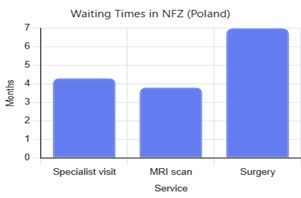
    In some countries, students can benefit from public health care systems. For example, in Poland, students under 26 can be insured as family members. After the age of 26, or if family insurance is not an option, students can register with the National Health Fund (NFZ) and use public health services. While the system offers basic health care, waiting times for some services may be longer.

Expert Opinion
“Health insurance for students is extremely important as it protects them from unforeseen medical expenses and allows them to focus on their studies,” says Dr. Anna Nowak, a public health expert. “Investing in the right insurance plan ensures quick access to health care and support when needed.”

Conclusion
Having health insurance during the study period is crucial for ensuring safety and peace of mind. It allows students to access on-campus health care, receive emergency care from specialists, and avoid unexpected medical expenses. Choosing the right insurance plan, tailored to individual needs and financial capabilities, is an investment in both health and academic success.

Private Health Insurance vs. Public Healthcare

Choosing between private health insurance and public healthcare is a dilemma many people face when considering their health and well-being. Both systems have unique advantages and disadvantages that are worth carefully evaluating before making a decision. In this article, we compare the benefits and limitations of both forms of health insurance, considering accessibility, quality of care, and costs.

Access to Medical Care

Private Health Insurance
Private health insurance often offers faster access to medical care. Patients can more easily schedule appointments with specialists, and waiting times for diagnostic tests are typically shorter.
Dr. Anna Domaniewska, a cardiologist, states: “Patients with private health insurance often have priority access to medical services, which allows for quicker diagnosis and treatment.”
According to a report by the Center for Healthcare Monitoring, the average waiting time to see a specialist in the private sector is about seven days, compared to up to 30 days in public healthcare.

Public Healthcare
Public healthcare provides medical care to all citizens, regardless of income. The range of services is broad, but waiting times for specialist appointments and diagnostic tests can be long.

Quality of Medical Care

Private Health Insurance
Private health insurance often grants access to cutting-edge medical technologies and highly qualified specialists. Private facilities may offer more comfortable treatment conditions and personalized care.
Martyna Kłos, a public health expert, emphasizes: “Private medical facilities often have state-of-the-art equipment and offer a high standard of care, which translates into better treatment outcomes.”

Public Healthcare
Public healthcare offers a wide range of medical services, but budget constraints may result in variable quality of care. Some facilities may have limited access to modern technologies, and treatment waiting times can be longer.
Dr. Paweł Samborski, an internist, adds: “Public healthcare has many skilled specialists, but financial limitations and a large number of patients can impact the quality of services.”

Costs of Medical Care

Private Health Insurance
Private health insurance comes with regular premiums, which can be quite high depending on the scope of coverage. However, benefits such as faster access to care and higher quality services may justify these costs.
Piotr Nowicki, a financial advisor, explains: “Investing in private health insurance can be worthwhile if you prioritize quick and high-quality medical care. It’s important to thoroughly assess your needs and financial capabilities.”
According to data from the National Health Institute, the average annual premium for private health insurance in Poland is about 3,000 PLN, a significant expense for many families.

Public Healthcare
Public healthcare is funded by the state, with medical care costs covered by taxes. This allows patients access to free medical services, although some specialized procedures may require additional payments.
Dr. Katarzyna Maczuga, a public health specialist, notes: “Public healthcare is financially accessible to everyone, which is a significant advantage. However, patients should expect longer waiting times for certain services.”

Conclusion

The choice between private health insurance and public healthcare depends on individual needs, priorities, and financial capabilities. Private insurance offers faster access to care, higher quality services, and greater flexibility but comes with higher costs. Public healthcare ensures broad accessibility and no direct costs for patients, but waiting times for services may be longer, and the quality of care can vary.

Unplanned Medical Expenses: How to protect your budget

Unforeseen medical expenses can significantly strain a household budget. Accidents, sudden illnesses, and other unplanned health events often lead to high treatment costs. In such cases, health insurance can offer crucial support, providing financial protection and peace of mind. This article will explore how health insurance can help manage unplanned medical expenses and why having coverage is essential.

Protection from Sudden Costs

Sudden health issues such as accidents, heart attacks, or unexpected infections may require immediate medical attention. Without health insurance, the cost of such care can be overwhelming. For instance, in Poland, hospital treatment following a severe accident can range from several to tens of thousands of zlotys. Health insurance covers these unexpected expenses, minimizing their impact on the household budget.

Access to Specialist Care

Health insurance often grants access to a wide range of specialists and diagnostic tests without long waiting times. Quick access to specialists can be crucial in cases of sudden health problems. Without insurance, the costs of specialist consultations and diagnostic tests can be prohibitively high. For example, a private consultation with a cardiologist can range from 200 to 500 PLN, and specialized tests like an MRI can cost several thousand zlotys.

Ongoing Costs for Chronic Illnesses

Chronic conditions such as diabetes or hypertension require regular medical care and a continuous supply of medications. Without health insurance, these costs can quickly add up, putting a strain on the household budget. Health insurance may cover the costs of medications and routine check-ups, significantly reducing the financial burden on the patient.

Financial Protection for the Family

Health insurance provides financial protection not only for individuals but for entire families. In the event of a sudden health issue affecting a child or other family members, treatment costs can be substantial. Having family health insurance ensures that all family members have access to necessary medical care without risking the household budget.

Peace of Mind

One of the most important benefits of having health insurance is the peace of mind it offers. Knowing that you won’t have to worry about treatment costs in case of an emergency allows you to focus on recovery and caring for your loved ones. This sense of financial security is invaluable, especially during stressful health situations.

Magdalena Nowicka, a health insurance expert, emphasizes: “Health insurance not only protects against high treatment costs but also provides quick access to specialists and diagnostic tests. This is key to effective treatment and a fast recovery.”

Unplanned medical expenses can pose a significant financial burden for any family. Health insurance offers financial protection, access to specialist care, and peace of mind during medical emergencies. Investing in health insurance is an investment in both your health and your family’s financial security.

Investment in Longevity and Quality of LifeSeptember 19, 2024

Health is one of our most valuable assets. Longevity and quality of life largely depend on how well we take care of our health daily. Private health insurance can play a key role in this care, offering numerous benefits that translate into a better quality of life and potentially a longer life. In this article, we will explore the long-term benefits of having private health insurance and the statistics that support its value.

Private Health Insurance: An Important Investment in Your Health

Faster Access to Specialist Medical Care

One of the main advantages of private health insurance is quicker access to specialist medical care. In the public healthcare system, waiting times for specialist consultations or diagnostic tests can be long, which can delay diagnosis and treatment. Private insurance allows faster access to specialists, potentially speeding up treatment and improving health outcomes.

Statistics:

  • Studies conducted by the OECD show that in countries with developed private healthcare systems, waiting times for specialist appointments are, on average, 50% shorter than in public systems.
  • In Poland, the average waiting time for an endocrinologist in the public system is about four months, while in the private sector, it can be just a few days.

Better Quality of Healthcare

Private health insurance often provides access to higher-quality healthcare. This includes access to modern medical technologies and highly qualified medical personnel. As a result, patients can expect more effective treatments and more comfortable hospitalization conditions.

Statistics:

  • According to a WHO report, patients with private health insurance more frequently report a higher level of satisfaction with the medical care they receive.
  • A 2022 CBOS survey found that 75% of respondents with private health insurance rated the quality of care as “very good” or “good,” compared to 45% of those using only public healthcare.

Preventive Care and Early Detection of Diseases

Private health insurance often covers a wide range of preventive tests that help in the early detection of diseases. Regular preventive check-ups are crucial for preventing serious illnesses and maintaining good health.

Statistics:

  • A 2023 report by the American Cancer Society found that individuals with private health insurance are 30% more likely to have early detection of cancer than those without insurance or relying on public healthcare.
  • Research conducted by the National Institute of Public Health shows that regular preventive tests can reduce the risk of death from heart disease by 20%.

Mental Health Benefits and Stress Reduction

Having private health insurance can also positively impact mental health. Knowing that you can count on quick and professional medical help when needed significantly reduces stress and anxiety. This positively influences overall well-being and quality of life.

Statistics:

  • A 2022 study by Harvard Medical School revealed that individuals with private health insurance reported 25% lower stress levels related to health concerns compared to uninsured individuals.
  • According to the 2023 European Health Survey, 60% of people with private health insurance report better mental well-being compared to 40% of those relying solely on public healthcare.

Conclusion

Private health insurance is an investment in longevity and quality of life. It provides faster access to specialist care, better healthcare quality, the ability to undergo regular preventive tests, and mental health benefits through stress reduction. Statistics confirm that people with private health insurance tend to enjoy better health and live longer. By investing in private health insurance, we are investing in our health and future.

Expert Opinion:
“Private health insurance not only provides better access to medical care but also enables more effective day-to-day health management. It’s an investment that brings tangible benefits in the long run,” says Dr. Katarzyna Malinowska, a public health specialist.

Child Health Insurance: How to Choose?

As a parent, ensuring the right health coverage for your child is one of the most important priorities. Choosing the right health insurance for your child can be challenging, but it is crucial to carefully analyze the available options and select a plan that provides the best coverage at reasonable costs. In this article, we will discuss practical tips for parents on how to choose the best health insurance for their child.

Doctor and child patient. Physician examines little boy by stethoscope. Medicine and children’s therapy concept.

What to Consider When Choosing Child Health Insurance?

Understanding Your Child’s Needs: The first step in choosing health insurance for your child is understanding their individual health needs. Some children may require more frequent medical care or specialized therapy, so it is important to choose a plan that covers all necessary services.

Analyzing Available Options: There are various types of insurance plans for children, including individual, family, and group plans. Before making a decision, parents should thoroughly analyze the available options and compare their coverage, costs, and conditions.

Finding a Network of Providers: It is worth checking if the insurance plan includes a network of medical providers that features preferred doctors and hospitals. For some parents, it is crucial to have access to high-quality healthcare in their residential area.

Protection Against Unexpected Costs: Unexpected medical expenses can be a significant financial burden for parents. Therefore, it is wise to choose a plan that offers appropriate coverage in the event of emergencies, illnesses, or hospitalizations to ensure comprehensive health protection for your child.

Preventive Exams and Vaccinations: The insurance plan should also cover preventive exams and vaccinations, which are key to a child’s health. Regular preventive exams can help detect potential health issues early and prevent serious illnesses.

In summary, choosing the best health insurance for your child can be challenging, but a well-tailored plan will provide the necessary health coverage. Before making a decision, parents should carefully analyze their child’s individual needs, compare the available options, and select a plan that offers comprehensive coverage at reasonable costs. This will ensure that the child receives the best medical care when needed.

Ways to Achieve Good Sleep and Its Regeneration

Sleep plays a crucial role in the body’s regeneration and the maintenance of mental health. Poor sleep can lead to various health issues and affect overall quality of life. Therefore, it is important to ensure appropriate sleep conditions and use proven methods to improve its quality.

1. Regularity and Routine

Following a regular sleep schedule, i.e., going to bed and waking up at the same times every day, helps stabilize the body’s biological clock. This promotes better rest and improves sleep quality.

2. Creating the Right Environment

Ensure a conducive sleep environment in your bedroom. This means a dark, cool room, a comfortable bed, and a quiet surrounding. Additionally, limit exposure to blue light emitted by electronic devices before bedtime.

3. Limiting Caffeine and Alcohol Intake

Caffeine and alcohol can disrupt sleep processes, making it harder to fall asleep and causing irregularities in the sleep cycle. Try to limit the consumption of these substances, especially in the afternoon and evening hours.

4. Relaxation Before Bed

Develop a relaxing bedtime routine to help you unwind and prepare for sleep. This can include a warm bath, reading a book, meditation, or breathing techniques.

5. Regular Physical Activity

Regular physical activity has a positive impact on sleep quality. Try to exercise regularly but avoid intense workouts right before bed, as they can stimulate the body and make it harder to fall asleep.

6. Healthy Diet

A diet rich in healthy foods, such as fruits, vegetables, whole grains, and proteins, can contribute to better sleep quality. Avoid heavy meals right before bed, as they can lead to indigestion and disrupt sleep.

7. Relaxation Techniques and Meditation

Using relaxation techniques, such as deep breathing, meditation, or progressive muscle relaxation, can help reduce stress and improve sleep quality.

8. Limiting Time Spent in Bed

Try to use your bed only for sleep and sex. Avoid spending time in bed watching TV, working, or using mobile devices, so your brain associates the bed only with rest.

9. Regular Check-Ups and Insomnia Treatment

If you have sleep problems, don’t hesitate to consult a doctor. Insomnia can be a symptom of other health issues, so it is important to diagnose and treat its cause.

10. Taking Supplements

In some cases, taking dietary supplements, such as melatonin, can help regulate the sleep cycle. However, it is always advisable to consult a doctor before starting any supplements.

Summary

Improving sleep quality is crucial for health and overall well-being. By applying the above methods, you can minimize sleep irregularities and enjoy better rest and body regeneration. Remember, each body is different, so it is worth experimenting to find the best methods to improve your sleep quality.

Available Options in Private Health Plans

Private health plans offer a wide range of options that can be tailored to individual needs and preferences. Choosing the right health plan can be crucial for ensuring comprehensive healthcare coverage for yourself and your family. In this article, we will discuss the various options available in private health plans to help you make an informed decision.

Key Options and Information for Choosing the Best Plan

Individual vs. Family Plan: Private health plans can be offered as individual or family plans. An individual plan covers only one insured person, while a family plan allows for health insurance coverage for the entire family. The choice between an individual plan and a family plan depends on individual needs and the number of family members.

Basic vs. Extended Coverage: Private health plans can have different levels of coverage, ranging from basic coverage, which includes essential medical services, to extended coverage, which offers additional benefits such as dental, vision, or physical therapy. The choice of coverage level depends on individual needs and preferences.

Provider Network: Most private health plans offer access to a network of medical providers, which includes preferred doctors, hospitals, and clinics. Choosing a health plan with a well-developed provider network can ensure access to high-quality healthcare in your area.

Additional Options: Some private health plans offer additional options that can be tailored to the insured’s individual needs. These may include additional insurance for critical illness, accident insurance, or telemedicine options that allow for remote medical consultations.

Costs and Fees: When choosing a private health plan, it is important to carefully analyze the costs and fees associated with using the plan, such as monthly premiums, co-pays, or out-of-pocket limits. It is also important to consider potential additional costs, such as prescription fees or medical procedures.

In summary, private health plans offer a wide range of options that can be tailored to individual needs and preferences. Before making a decision, it is important to carefully analyze the available options, compare their coverage and costs, and choose the plan that best meets your needs and financial capabilities. This way, you can enjoy comprehensive health protection for yourself and your family.

MediSky in Europe: Austria: Healthcare, Economy, and Demography

Austria, a picturesque country nestled in the Central Alps, not only mesmerizes with its landscapes but also stands out with its elaborate healthcare system, stable economy, and distinctive demography. In this article, we will take a closer look at the Austrian healthcare model, diversified economic structure, and key demographic trends shaping the face of this European nation.

Title: Austria: Healthcare System

Austria can boast one of the most elaborate and efficient healthcare systems globally. Health insurance in Austria is mandatory for all citizens and permanent residents. The Austrian healthcare system is based on the principle of solidarity, meaning that every citizen has the right to basic medical care, regardless of their social or financial status.

Health Insurance in Austria

The Austrian healthcare system is primarily funded through insurance contributions, which are automatically deducted from employees’ salaries. Unemployed individuals, retirees, and low-income earners are covered by alternative forms of insurance, ensuring equal access to healthcare. Additionally, the Austrian government also contributes to funding the system, maintaining high-quality medical services.

Structure of the Healthcare System

The healthcare system in Austria comprises both public and private facilities. Public facilities, financed by the state, include hospitals, clinics, health centers, and specialized clinics. Meanwhile, the private sector offers additional services such as private medical practices, clinics, and hospitals, often providing shorter waiting times and more luxurious conditions.

Number of Insured Individuals

According to the latest data, nearly every resident of Austria is covered by the public healthcare system. In 2021, the number of individuals insured for health purposes reached approximately 8.9 million, representing almost 100% of the country’s population. Additionally, a significant number of Austrians also possess private health insurance, offering additional benefits and facilitations in accessing medical care.

Austria’s Economy

Austria boasts a stable and developed economy, mainly reliant on industry, services, and foreign trade. The industrial sector encompasses machinery production, vehicles, electronics, and food processing. Moreover, Austria is renowned for high-quality tourism, with numerous tourist attractions and ski resorts attracting millions of visitors annually.

Demography

Demographically, Austria maintains a stable situation, with slight natural population growth and population increases primarily driven by international migration. In 2021, the average life expectancy in Austria was around 81 years for men and 85 years for women. However, like many developed countries, Austria faces an aging population, posing challenges for the pension system and healthcare.

Conclusion

The Austrian healthcare system, combined with a stable economy and demography, enables the country to provide a high standard of living for its citizens. The high quality of medical services, equal access to healthcare, and the innovativeness of the healthcare system make Austria a leader in the field of healthcare internationally.

Heatwaves – How to Cope

Ah, the heatwaves! During the summer heat, taking care of your health becomes a priority. Here are some practical tips to help you get through this period more comfortably and maintain good well-being:

What Should You Remember When the Heat Hits?

1. Hydration:
Regular hydration is crucial during heatwaves. High temperatures can lead to dehydration, so drink enough water throughout the day. Avoid drinks containing alcohol or caffeine, as they can further dehydrate your body.

2. Avoiding Heat:
Try to limit outdoor activities during the hottest parts of the day, typically around noon. If possible, choose to walk or exercise early in the morning or late in the afternoon when the temperature is lower.

3. Appropriate Clothing:
Choose loose, breathable clothing made from natural materials such as cotton or linen. Avoid heavy and tight-fitting clothes, as they can hinder body ventilation and lead to overheating.

4. Using Sunscreen:
Protecting your skin from harmful UV radiation is key to maintaining skin health. Regularly apply sunscreen with an appropriate SPF, especially on exposed parts of the body.

5. Cooling the Body:
Use various methods to cool your body, such as water baths, spraying your body with cold water, using fans or air conditioning. Wet compresses on the body can also provide relief during the heat.

6. Rest and Relaxation:
High temperatures can affect your mental well-being, so ensure you get enough rest and relaxation. Seek cooler places where you can escape the heat and relax.

Following these simple guidelines will help you endure the summer heatwaves more comfortably and take care of your health and well-being.

Insurance and Summer Relaxation! See How to Rest Easy!

Ah, the joy of laziness! Each of us deserves true relaxation and laziness during the holidays. However, even during well-deserved rest, it’s important to remember health safety. Private health insurance can be a key element in providing you peace of mind during summer relaxation. Here’s why it’s worth considering:

Why Laziness Is Great on Vacation

Stress-Free Medical Care: In case of sudden illness or an accident abroad, private health insurance ensures you have access to high-quality medical care without worrying about high treatment costs.

Quick Access to Specialists: Regardless of where you spend your vacation, health insurance allows you to quickly access specialist services and medical diagnostics, providing you with comfortable and professional support.

Protection for the Whole Family: Private health insurance can cover the entire family, giving peace of mind not just to you but also to your loved ones, even during lazy relaxation on the beach.

Addition to Your Vacation Package: Adding private health insurance to your vacation package can be extremely beneficial. It’s an extra layer of protection that guarantees complete freedom and safety during your holiday.

Certainty in Emergency Situations: In case of medical emergencies, private health insurance ensures you receive the necessary medical help without unnecessary stress and uncertainty.

Worldwide Medical Assistance: Whether you’re heading to the sea, the mountains, or abroad, private health insurance can provide you with 24/7 medical support, including interpreter assistance, medical transport organization, and coordination of treatment for more serious conditions.

Coverage of Medical Costs: If needed, health insurance can cover treatment costs, specialist visits, diagnostics, and even potential hospitalization, minimizing the negative impact on your vacation budget.

Don’t compromise on safety, even during lazy summer relaxation. Private health insurance is your guarantee of peace of mind and a comfortable rest without worries about unforeseen situations.